
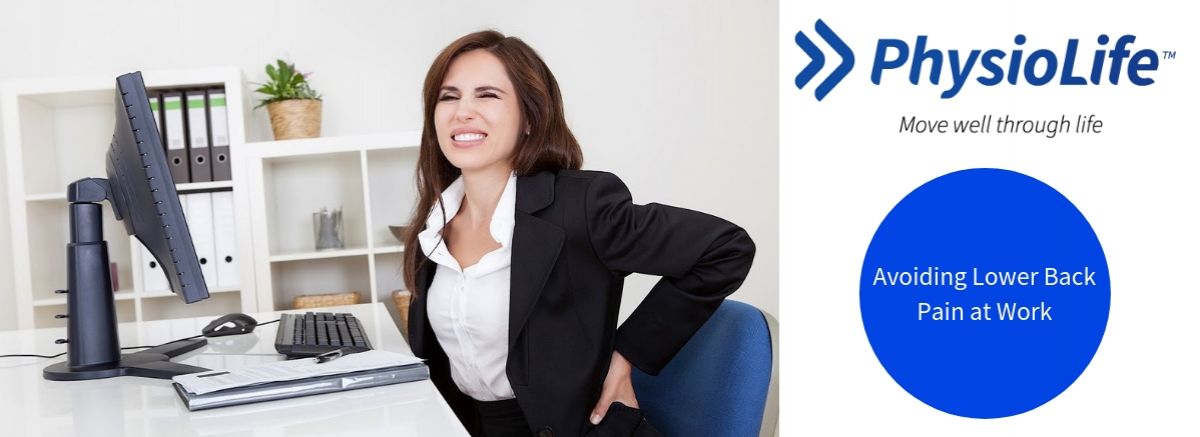
Avoiding lower BackPain at Work
By Matt Ho APAM
One common source of both acute and chronic back pain is theworkplace. This encapsulates both manualand sedentary occupations despite the physical requirements being quitedifferent.
Here are some recommendations to ensure you don’t injure your lower back at work:
Lifting
Both manual and sedentary jobs will require somelifting. Technique is essential tomaintaining spinal health, and this should include:
-Maintaining a neutral lumbar spine
-holding item as close as possible to the body
-Reducing bulk of item if possible
-Utilising leg muscles as main drivers
-Team lifting where necessary: Properly assess the load initially!
-Managing not only the load itself, but the total volume oflifts
Posture
The lower back pain associated with poor posture is twofold: Firstly, placing excessivebiomechanical forces on particular areas; and secondly, relative inactivity forlong periods of time (think: longperiods at the desk). This can bemanaged using a few key principles:
-Regularly changing position: This may mean getting up from your desk, oralternatively sitting down, every 20 minutes
-Creating an activity routine: This includes regular walks and exercises for the upper and lower body
-Create change: Lookto foster a more active workplace. Walking meetings, lunchtime activities and relationships with local gymscould help to improve the general health and activity levels of your workplace
Ergonomics
Setting up your workplace to avoid excessive biomechanicalstress to the lower back is also important. Some strategies could include:
-Adjusting your workstation appropriately. Review desk, chair and monitor height, aswell as your mouse and keyboard type.
-Explore options for helping you lift (e.g. trolleys and jacksin a manual role)
-Personal devices such as braces may help to providefeedback to the body when lifting
Stress
Reducing stress as work can have a profound impact on thelevel of pain perceived in the lower back. It has been found that psychological stress can negatively affect painperception and healing times. Employeescan try to effectively manage stress at work by:
-Tracking stressors: Work out which situations cause increased stress, and attempt to managethese
-Attempt to develop healthy responses to stress (eg. exercises)
-Talk to the manager and establish boundaries
-Take time during the day to recharge
-Attain appropriate psychological support where necessary
Putting it All Together
Make sure you areaware of all the situations that may put your back at risk, and put in placesteps to reduce this risk. This willensure your back stays healthy for years to come!
If you are suffering from lower back pain, please contact us or book online to see one of our physiotherapists.