
PhysioLife News
Keep up with all the latest news and events from the team at PhysioLife and in our newsletter
Find by:

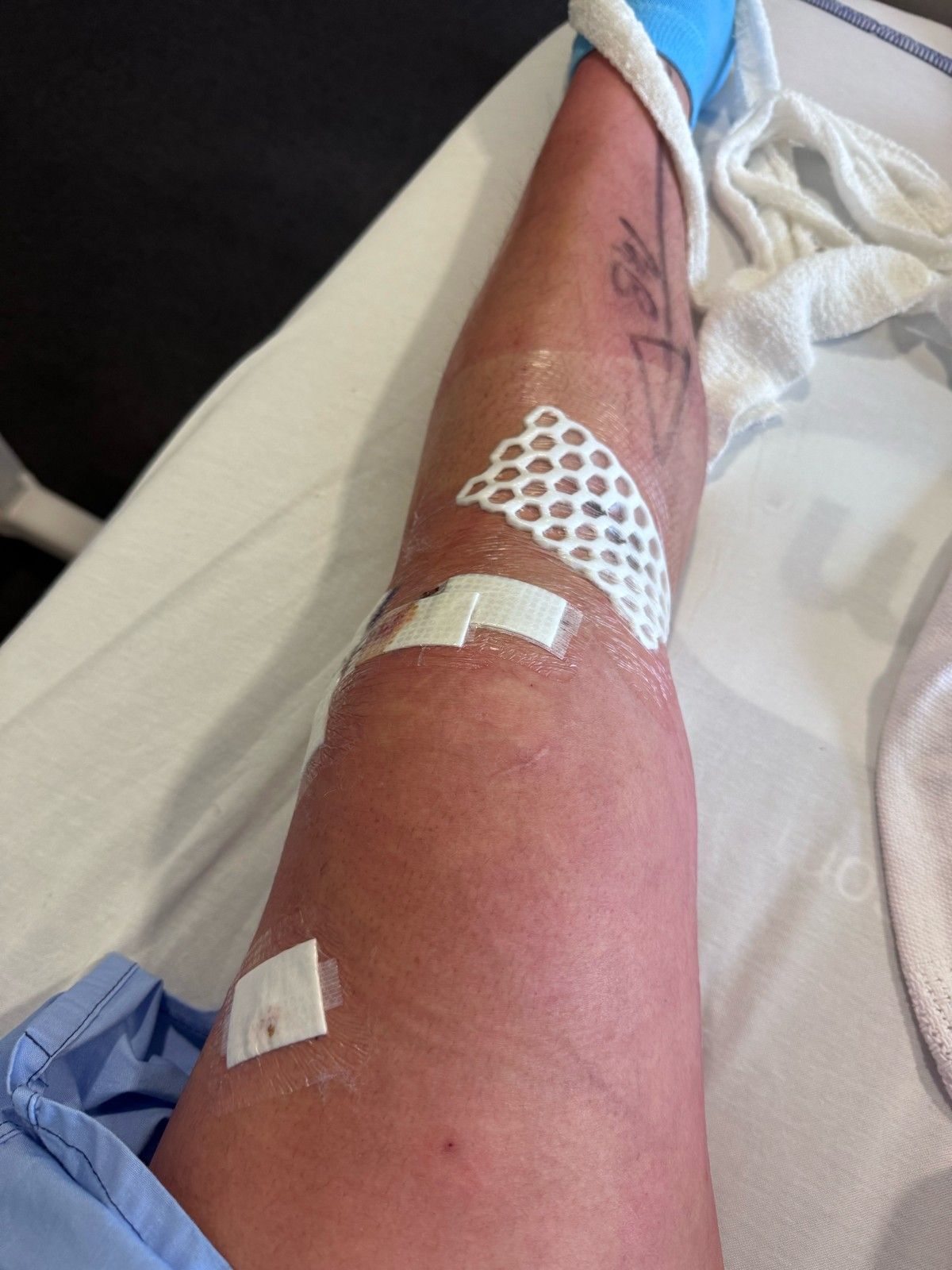
What to Expect During ACL Recovery: A Week-by-Week Timeline
An ACL injury is one of the most challenging injuries to recover from, whether you're anelite athlete, a weekend warrior, or a regular gym-goer.Marcus, a physiotherapist three months into his own ACL replacement recovery, shares a week-by-weekguide based on his personal journey and professional knowledge.
Find out more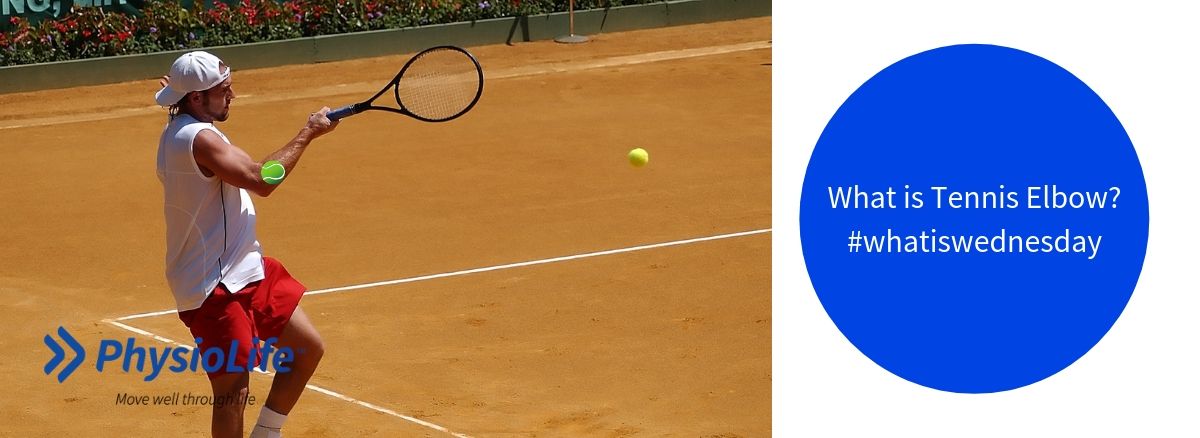
What is Tennis Elbow?
Tennis elbow, also known as lateral epicondylitis is characterised by pain on the outer aspect of the elbow. The pain is associated with movements of the hand/wrist and includes irritation of the forearm muscles. There are many muscles in the forearm that control the movement of the wrist. With tennis elbow, the extensor carpi radialis brevis (ECRB
Find out more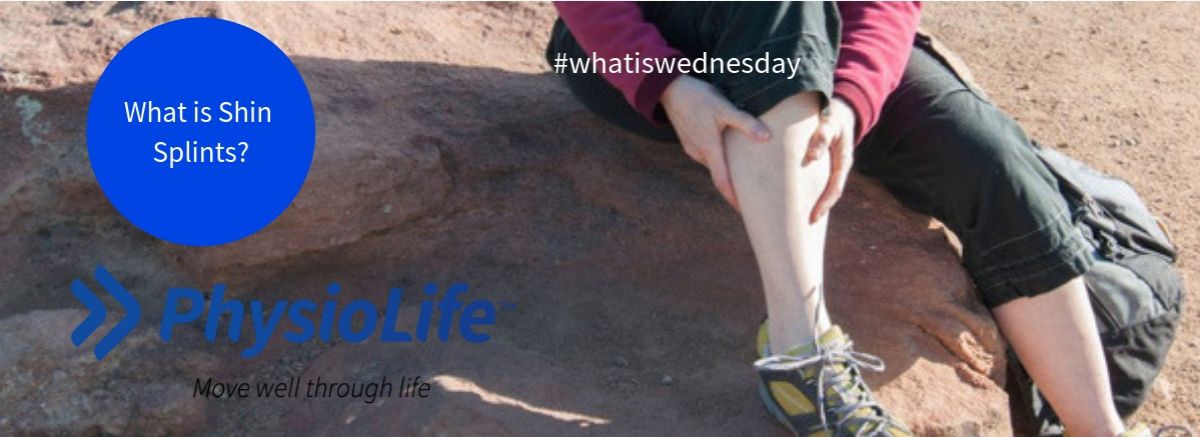
What is Shin Splints?
Shin splints are a condition characterised by pain along the inside of the tibia (shin bone). The medical term for shin splints is Medial Tibial Stress Syndrome. The exact pathology of shin splints is unknown, with imaging unable to produce differentiation to someone who does not have the condition. Shin splints have an important relation to two mu
Find out more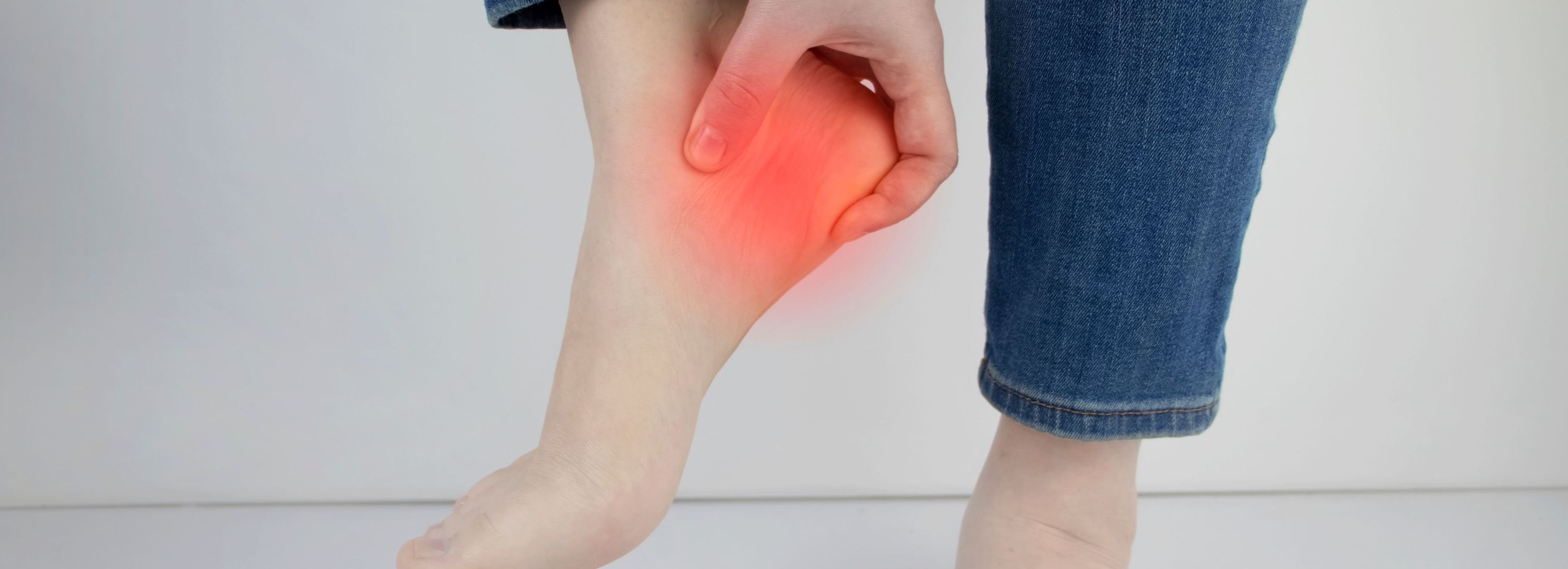
Sever's Disease
If your child has started to develop heel pain following a growth spurt, they could potentially have Sever's Disease, especially if they're very active. Read on for a basic overview of what this means, and what can be done about it.
Find out more
Osgood Schlatter Syndrome
As Winter sport is just beginning to recommence, it's a good time to discuss Osgood-Schlatter's Syndrome, and there will be an inevitable increase in cases as AFL, Soccer, and Basketball all begin. Below we have provided some basic information on this common source of knee pain for young athletes.
Find out more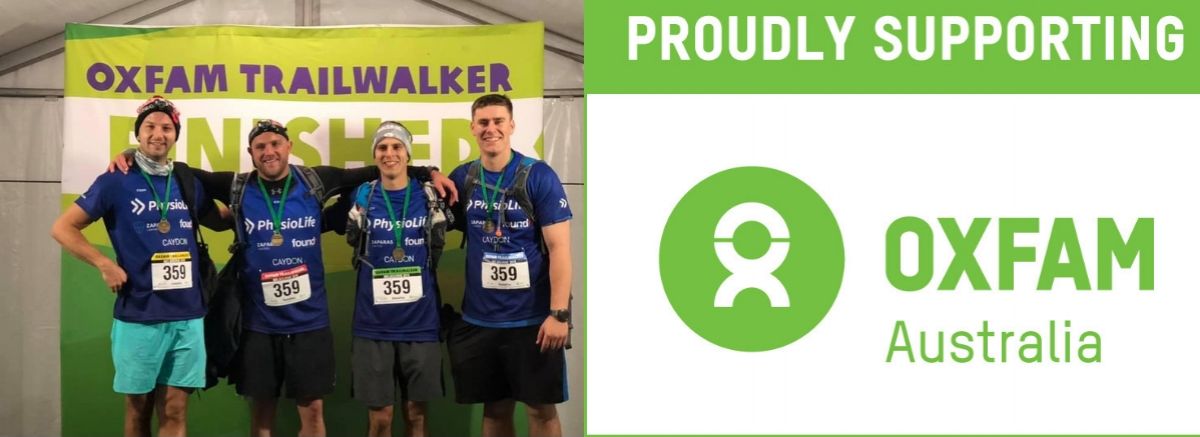
What is it like to complete an Oxfam Trailwalker 100km?
For this weeks edition of #whatiswednesday James is going to do more of a reflective piece to discuss all the trials and tribulations associated with the completion of the Oxfam train walker 100km event. And also to give him a soapbox to stand on to thank all of those that have supported team PhysioLife both on the day, in the lead up and via very
Find out more
The Truth About Osteoarthritis
For those who experience knee pain, one of the most dreaded diagnosis for its cause is osteoarthritis (OA). This is typically because OA is often seen as a one waydegenerative journey for joints. A very common belief is that if you develop OA, your pain willnever improve and will continually worsen untila joint replacement can be performed. Thisco
Find out more
Understanding and Preventing Badminton Injuries
Badminton is a fast-paced sport that requires agility, speed, and precision. It is played allaround the world, and it is an excellent way to stay active and maintain a healthy lifestyle.Marcus, an ex-Australian Badminton player, and physiotherapist goes through the commoninjuries within Badminton and the different ways you can prevent these injurie
Find out more
Tips for the Return of Contact Sport
It has been a long year, particularly given the lack of proper training available to people during lockdown. Melbourne residents have been unable to participate in contact training for over 8 months! One could be forgiven for feeling as though AFL, soccer, boxing, basketball and a raft of other sports would never comeback whilst the dreaded Covid
Find out more
The GLA:D Program
The GLA:D (Good Life with Arthritis: Denmark) Program was developed by Scandinavian researchers & physiotherapists, to allow physiotherapists worldwide to provide best practice conservative care in the management of hip & knee osteoarthritis.
Find out more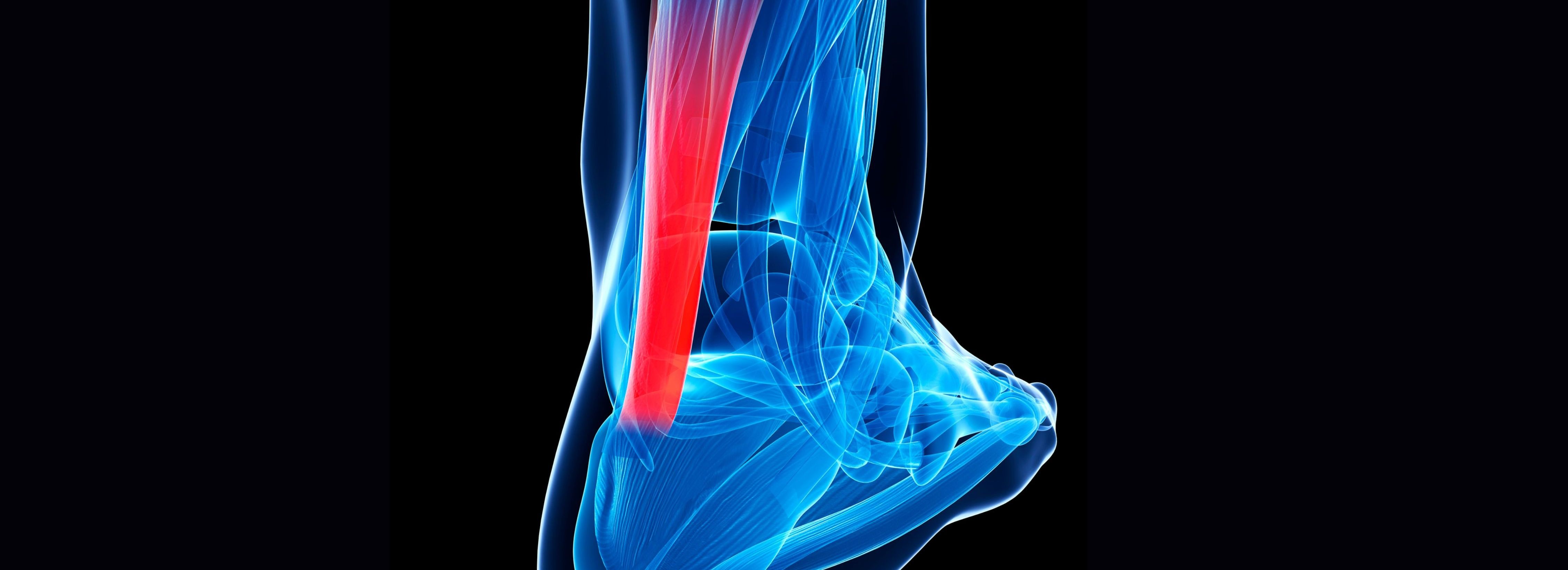
The "Do's" and "Don'ts" of Tendinopathy
Tendinopathy is an umbrella term used to describe any pathology of the tendons. You may have heard it referred to by many different names: tendinitis, tendinosis or tenosynovitis. Some common tendinopathies include achilles, patella, common wrist extensor and biceps. Whichever type, and whatever the location, tendinopathy can manifest as signif
Find out more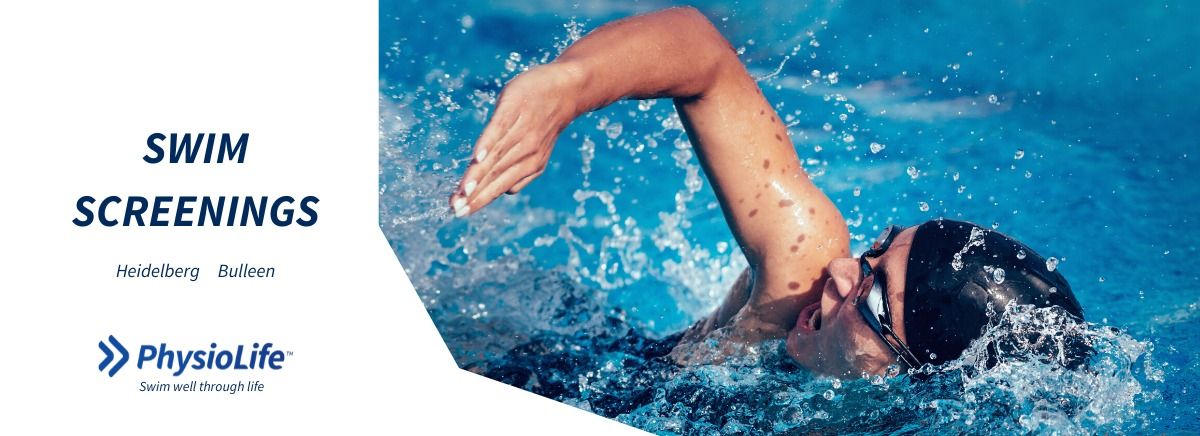
Swim Screenings
Screening protocols are used in a number of sports to identify athlete specific characteristics or weaknesses, that may contribute to injury or limit their performance.
Find out more
Snow Season Preparation
The ice crystals that Australia calls snow will soon be falling up in the fields, so it is time to wipe the dust off the skis or snowboard from storage and heat up the wax. Snowsports are immensely fun, but they are also physically demanding and potentially dangerous depending on your skill level or the terrain you are tackling. Beginners may spend
Find out more
Sleep Positions & Your Body
Whether recovering from an injury, or just resting after a long day on your feet, sleep gives our bodies the proper chance to rest and repair. We spend roughly 40% of our lives sleeping, which means that roughly 40% of the time that your body is repairing itself after an injury is spent in bed. The majority of muscle repair and growth will occur du
Find out more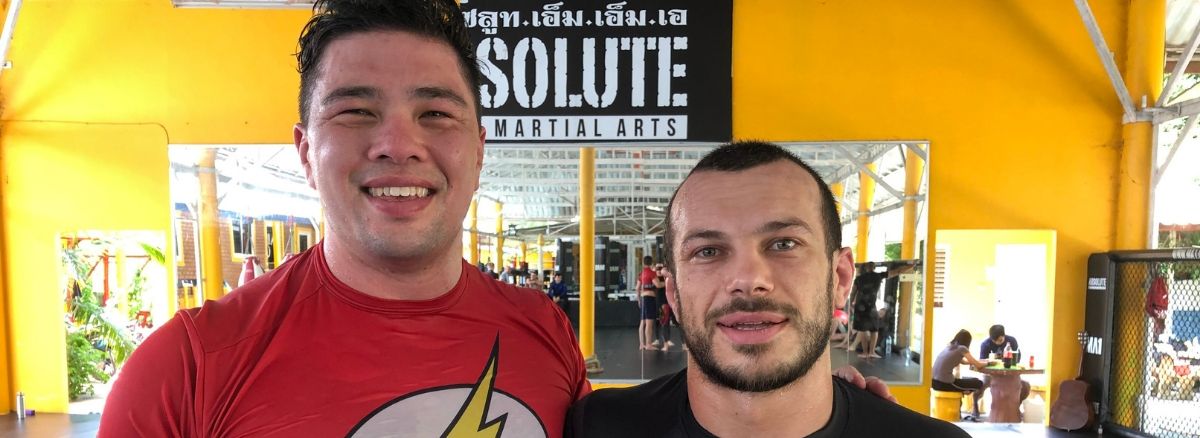
Lachlan Giles Brazilian Jiu Jitsu Camp 2019
Like many weekend warriors, I have always wondered what it would be like to train like a professional athlete. Watching world class jiu-jitsu players and MMA fighters ply their trade and improve their skills at the gym only to go away, recover and come back in the evening made me think about how I would fare if given a similar chance. So, when
Find out more
Keeping Calves Happy in Runners
If you haven’t already sustained a niggle from picking up running or something new during iso – well done! As gyms re-open and sports resume, we face the challenge of readjusting our bodies to tour previously familiar physical demands. As you navigate the return to normality, it’s worth considering how to keep your calves healthy and happy during t
Find out moreInjury Prevention Programs for Team Sports
With an extended lay-off from team sport due to the global pandemic, there is a very real possibility thatwhen we eventually return to sport, we will have a higher chance of getting injured, due mainly to ageneral lack of fitness, strength and conditioning. Luckily for us, there is something we can do about it!
Find out moreHoskings Promotions/UltraTune Fight Night: PhysioLife sponsored athlete Mat Sheehan wins again!
Hoskings Promotions/UltraTune Fight Night: PhysioLife sponsored athlete Mat Sheehan wins again!
Find out moreHome Exercises for Shoulder Health
Shoulders are a highly mobile region of the body, designed for high ranges of motion to allow your hands and arms to execute a range of functions in both sport and daily life. Like a house built on solid foundations, your shoulder complex requires stability and support in these high ranges of motion, to ensure efficient and pain free movement.
Find out more
Shoulder Dislocations
The shoulder is our body’s most mobile joint with an incredible range of flexibility. However, this large range of mobility does come at a cost, as to have increased mobility you must sacrifice some stability. Other joints in the body have increased stability thanks to the tight structure of bones and ligaments that make them up, but the demands of
Find out more
Riding in Summer - Key Considerations
As we begin to transition back into warmer weather, now is about the time where we see an increase in cycling volume with people starting to ramp up their riding. Of course, there are some that brace the elements year round, however for most of us the longer days and sunshine are much more inviting to turn the legs over and spend a few hours in the
Find out more
PhysioLife x Run2PB
We are excited to announce a partnership withRun2PBonline run coaching. All PhysioLife patients are eligible to receive 10% off their coaching programs.
Find out more
Lead up to Raceday
With less than two weeks to go until the 2022 Melbourne marathon, we have been getting quite a lot of anxious questions as people reach the end of their hard blocks and head into the taper phase. So, how should the next two weeks play out until race day?
Find out more
For all those playing at home...
Many of you are now classified as desk-based athletes with a home ground advantage. This along with an IT nightmare for those of the less tech-savvy generation can pose many challenges both physically and mentally. We have teamed up with the Psychologist half ofcalmd(Kirsten Forgione) to put together a few real-life tips and tricks to help keep the
Find out moreHigh Speed Running & Your Hamstrings
Hamstring strain injuries are a common burden amongst football codes, with mechanisms of injury including speed running, kicking and bending forward to collect the ball. High speed running (HSR), considered to be running at 80-95% of your maximal speed, is identified as the most common mechanism of injury to the hamstring complex, usually involving
Find out more
Flexibility Meets Strength: Finding the Balance for Safer Cheerleading, Gymnastics, and Dance
As both a physiotherapist and an elite-level cheerleader, I’ve learned firsthand the importance of balancing flexibility with strength. Dynamic, performance-based sports such as cheerleading, gymnastics, calisthenics and dance often require joints to be put through extreme ranges of motion in quick movements including the splits, high leaps and kic
Find out moreExercise for Hip & Knee Health
Osteoarthritis is a condition that affects the health and function of the joint as a whole (cartilage, subchondral bone, ligaments, synovial inflammation and surrounding muscles). It affects a single joint, mostly commonly the hip, knee or finger joints. While it can be painful, this pain is not correlated to the degree of damage present, and is ty
Find out more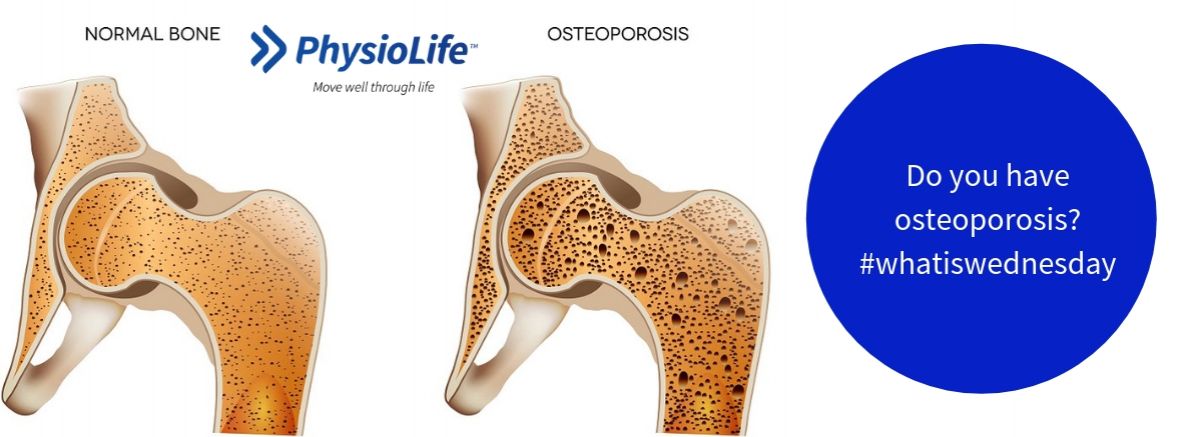
Do you have osteoporosis?
Osteoporosis is a condition characterised by a very low bone mineral density. This is caused by a gradual process in which the body is not producing enough bone, losing too much bone or both. Osteoporotic bones are fragile and are extremely susceptible to breaks, from small forces that would normally not be detrimental.
Find out more
Early Management of Ankle Sprains
An ankle sprain occurs when you place excessive pressure on the ligaments around your ankle, typically by rolling it outwards (inversion) or inwards (eversion). This can cause the ligaments to overstretch or tear, causing pain and instability around your ankle joint.
Find out more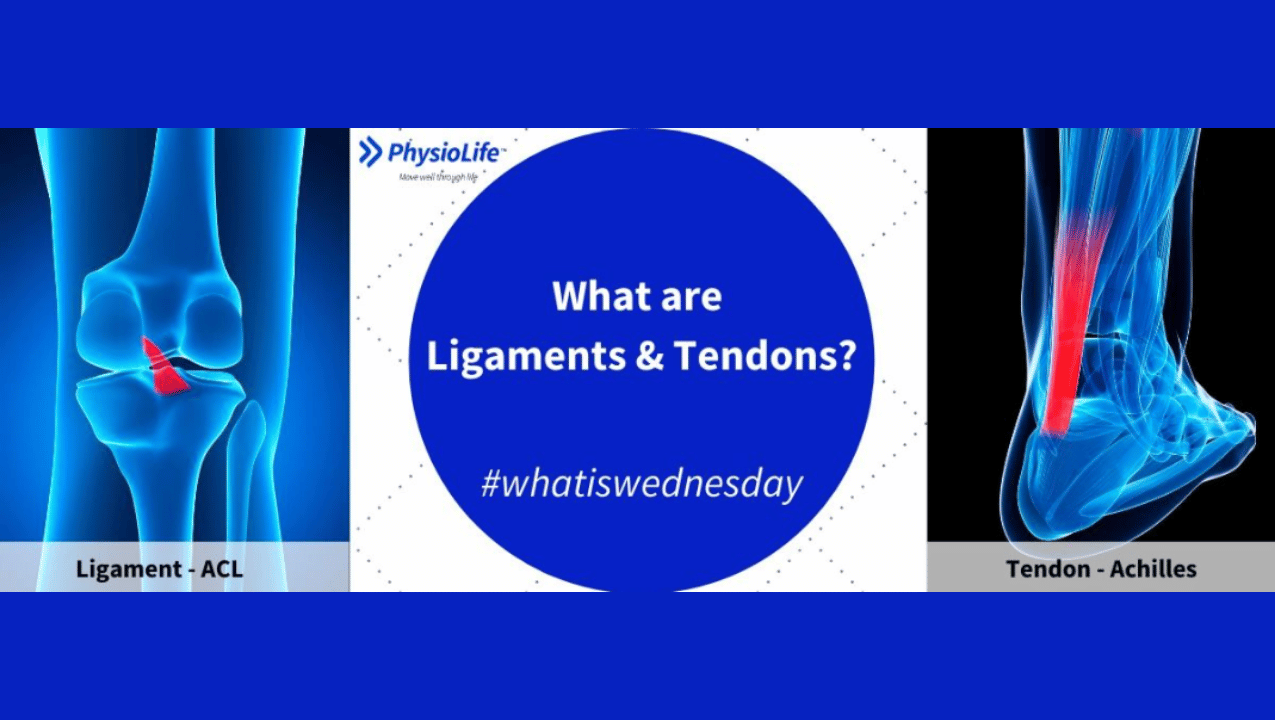
What are Ligaments & Tendons
A tendon is a strong fibrous tissue that connects muscle to bone. The main function of a tendon is to allow movement that is initiated by a muscular contraction. Tendons are strong enough to withstand high tensile forces that allow for transmission of force from muscle to bone. Consider tendons as stiff springs, capable of storing and using elastic
Find out more
Warming Up in Women's Footy
PhysioLife is a long established, family friendly and patient focused clinic with a passion for helping people recover from any ailment or injury.
Find out more
Common Myths About Lower Back Pain
Lower back pain is one of the most common presentations seen by physiotherapists. Ranging from small aches, to seemingly completely debilitating spasms and ‘locking up’, there is a variety of severity with which back pain can occur.
Find out more
Bone Stress Injuries: Considerations in the Endurance Athlete
Like most of the body, bones are living tissue that break down and regenerate themselves inresponse to the stress and activity they are exposed to. Bone stress occurs as a response toan external force, triggering the bone to adapt and remodel in preparation for similar activity.If there is insufficient recovery time or this remodeling occurs too sl
Find out more
Bike Fitting
Whether you're commuting to work, working on your fitness, spending time with the family on theweekend, chasing an adrenaline rush, or just simply getting some fresh air; most people enjoy their timeon their bike when they get a chance to go for a ride. Occasionally however, there can be a fewfactors in play which can negatively affect this experie
Find out more
Around The Bay - Recovery Tips
By Adrian Benne and Oskar Catoggio Recovery after a large workout can sometimes feel worse than the main event itself. Here we will talk about a few simple strategies you can try yourself to help push through and stay on top of your recovery and get back to training, work or just your normal day-to-day.
Find out more
ACL Injuries in Female Athletes
With the AFLW season well underway for another year the topic of ACL injuries once again is at the forefront of many discussions. ACL injuries are increasingly common in female athletes with rates 6.2 and 9.2 times higher in the women's first two seasons compared with the men's AFL across the same years. The season tally is currently sitting at 12 A
Find out more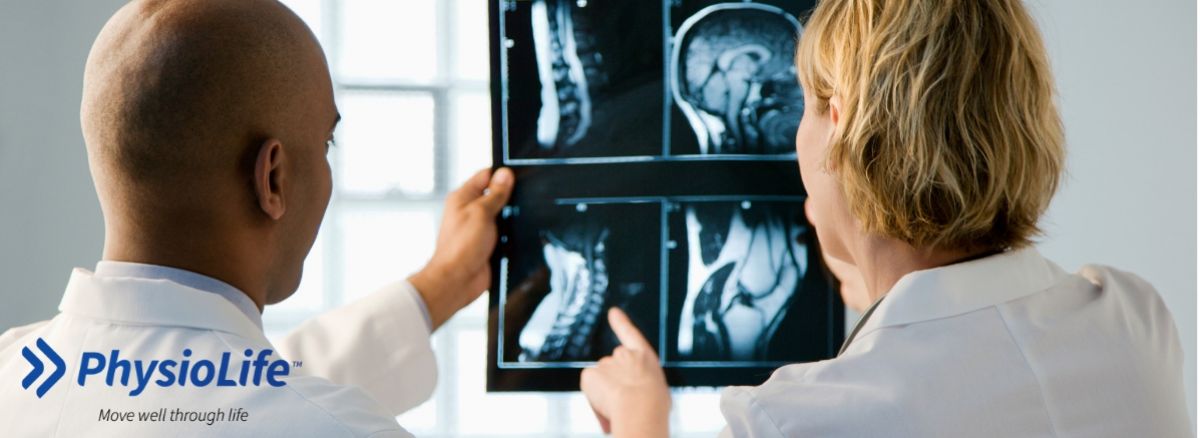
Xrays in Physiotherapy. Are they useful?
As a physiotherapist, I am consistently discussing X-Rays and their relevance. Whether referring an ankle injury, or discussing knee and hip osteoarthritis with a patient, X-Rays come up often in conversation. But are they useful? What are the side effects? When do you need one? Below are some answers to common X-Ray questions.
Find out more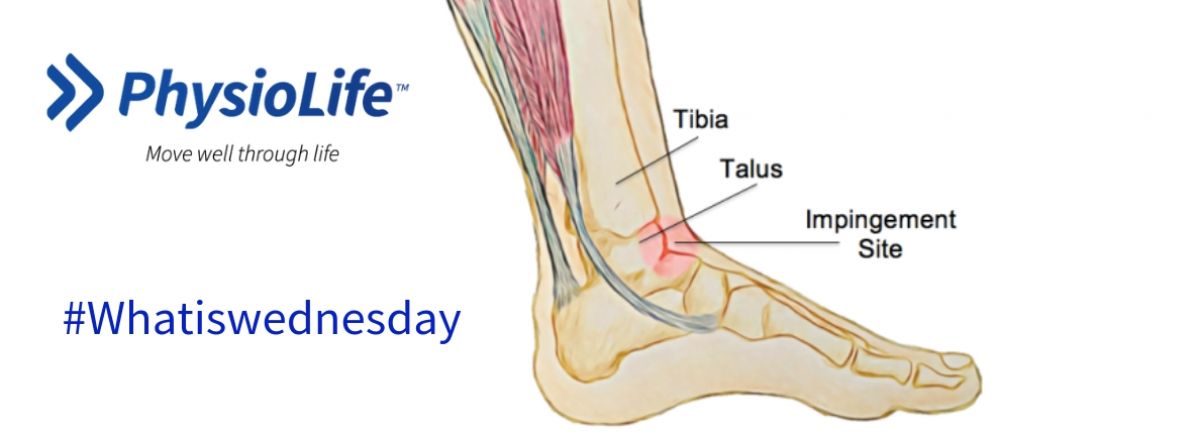
What is anterior ankle impingement?
Anterior ankle impingement or syndrome is a musculoskeletal condition caused by repetitive compressive forces that damage the tissues at the front of the ankle. As a result there is often pain and stiffness at the front of ankle. This injury is most commonly seen in sportspeople that complete repetitive movements of the ankle, such as sprinting, la
Find out more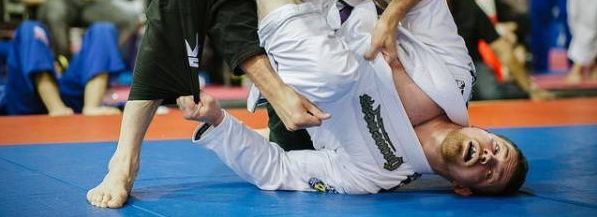
How to prevent neck injuries in BJJ
In ourlast article, we looked at how neck injuries occur in Jiu Jitsu and how to adequately manage acute and chronic neck pain. Here, we will look at ways at preventing neck injuries including rolling strategies, range of motion and strengthening options.
Find out more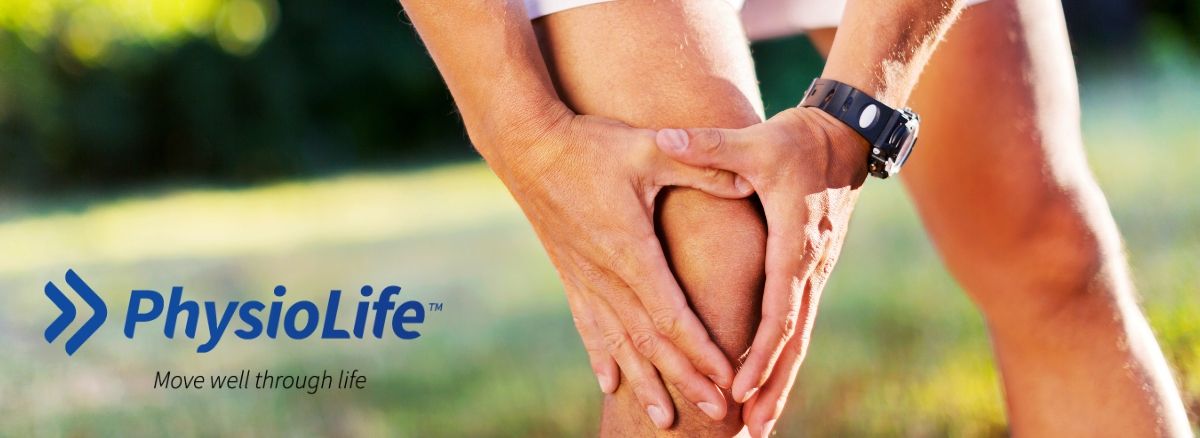
What is Runner's knee?
Patellofemoral joint syndrome (PFJS), patellofemoral pain syndrome (PFPS) or Runner’s Knee is a condition describing irritation in and around the knee cap. The knee is a hinge joint, primarily moving in one plane of direction only. The patella or kneecap is a bone that acts as leverage for the quadriceps tendon to exert more power. As a result of
Find out more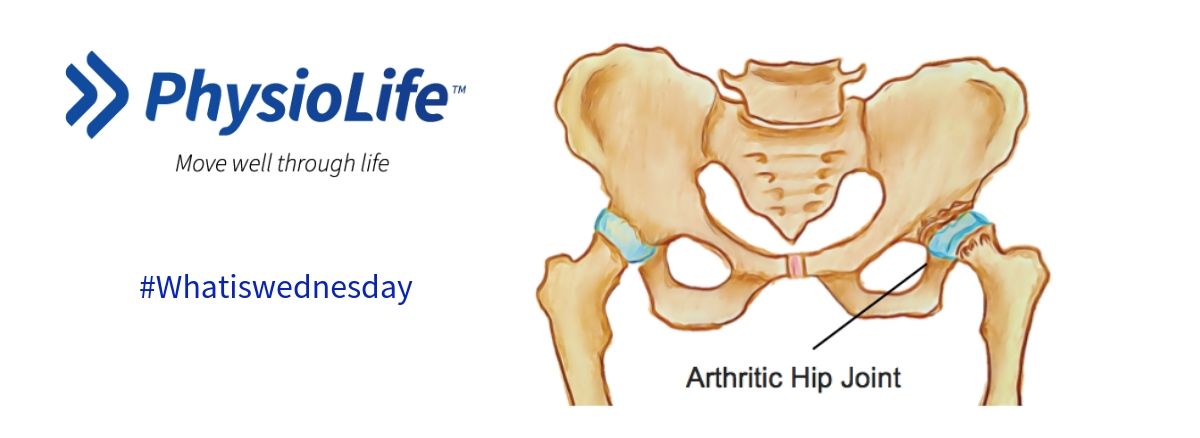
What is hip osteoarthritis or OA?
Osteoarthritis (OA) is a type of arthritis relating to bones. Therefore, OA is a degenerative condition affecting the bones and the cartilage of joints. A joint is made up of bone, cartilage and other surrounding tissue. Cartilage is a strong, flexible connective tissue that provides shock absorption and cushioning between bony surfaces. Over time,
Find out more
Team PhysioLife tackle Oxfam Trailwalker 100km
- Get any niggles sorted out asap. This could prevent any unwanted flare ups along the way or at the very least a management strategy will be in place. Your physio, podiatrist or massage therapist is your best friend at this point.
Find out more
What is: hamstring tear?
The hamstrings are a group of muscles located on the back of the thigh. The hamstring is not one single muscle, instead a collection of 3 different muscles. The hamstring predominantly originates from your sitting bone and attaches just below the back of your knee. The primary role of the hamstrings is to bend the knee as well as extending the hips
Find out more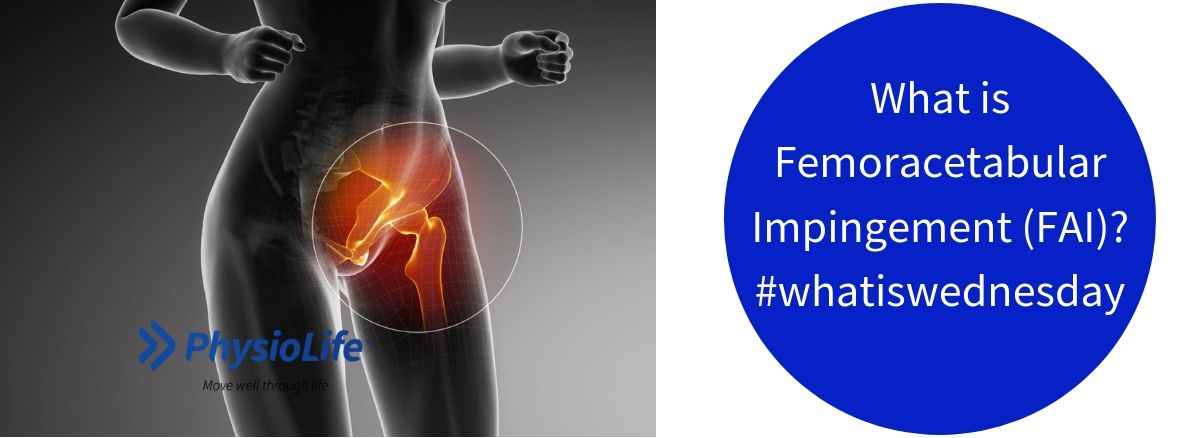
What is Femoroacetabular Impingement (FAI)?
Femoroacetabular Impingement (FAI), is a condition that develops in the socket of the hip causing pain during certain movements. The hip is a ball and socket joint, and when the joint surfaces become irregular then it can result in FAI or other painful hip injuries.
Find out more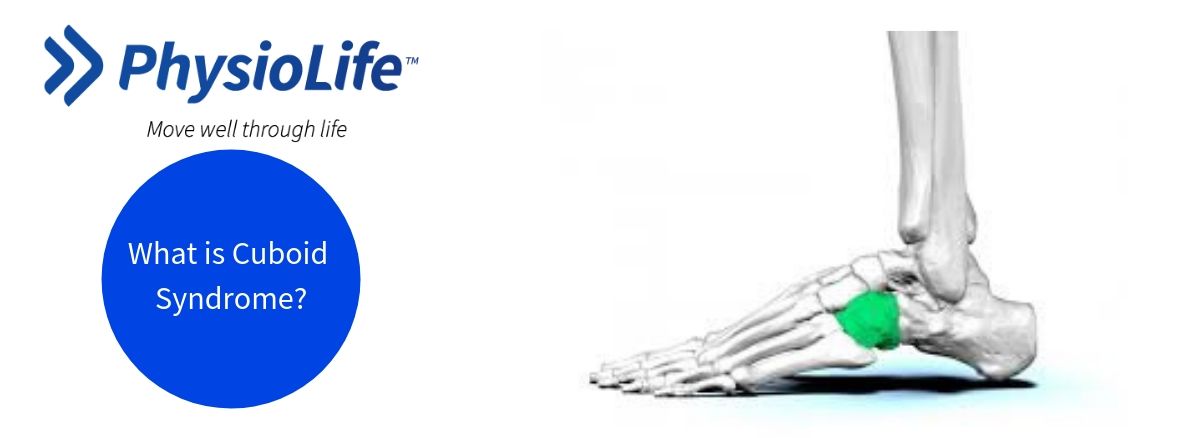
What is Patella Tendinopathy?
Pain just below your knee cap? Do you play sports such as basketball, volleyball, football, tennis? Does your sport require repetitive jumping? If you answered yes, then it is likely that you are suffering from a condition commonly referred to as jumper's knee. The scientific term, patella tendinopathy is an overuse condition classified by pain at
Find out more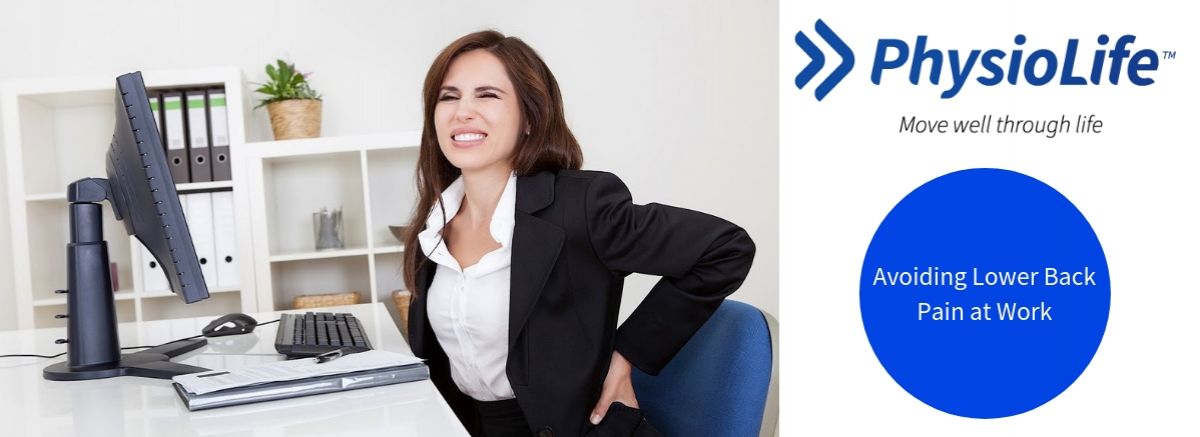
How to Avoid Lower Back Pain at Work
One common source of both acute and chronic back pain is the workplace. This encapsulates both manual and sedentary occupations despite the physical requirements being quite different.
Find out more
What is Tibialis Posterior Tendinopathy?
Thetibialis posterioris a muscle that begins just below the back of your knee and runs along the inside your entire shin. It continues down the inner aspect of the heel and attaches to a bone in the arch of the foot.
Find out more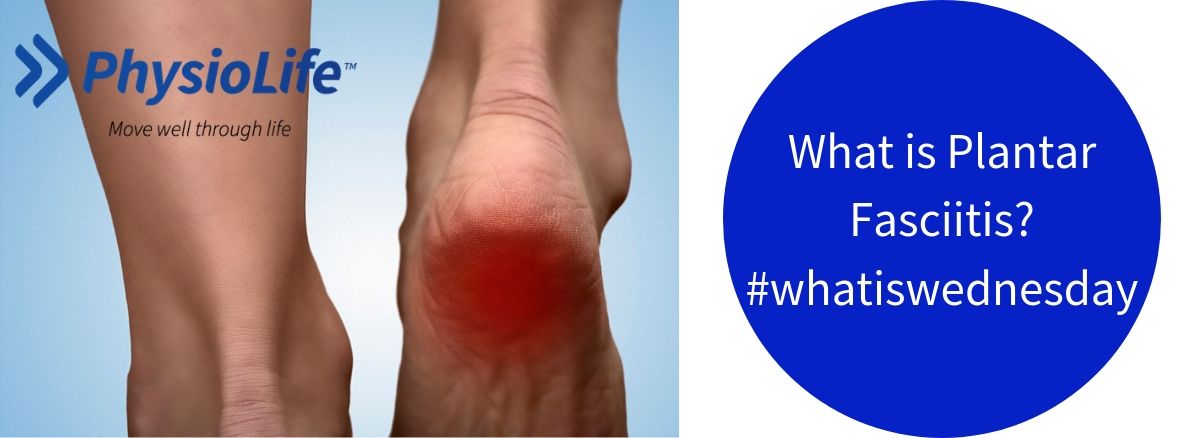
What is Plantar Fasciitis?
Plantar Fasciitis (Plantar Fasciopathy)is a painful overuse condition in which the plantar fascia causes pain at the heel in and along the arch of the foot. Formerly known as plantar fasciitis, plantar fasciopathy encompasses other aspects of heel pain. The plantar fasciitis is a strong fibrous connective tissue (aponeurosis) that originates from t
Find out moreWhat is Cuboid Syndrome?
With the Melbourne Marathon getting closer, Melbournians are starting to ramp up their training volume. As a result, running injuries become more and more present. A commonly misdiagnosed injury of foot is Cuboid syndrome and accounts for approximately 4% of all foot injuries.
Find out more
What is an Acute Wry Neck?
Have you ever gone to sleep feeling completely fine and woken up with a neck that you just can’t move? Alternatively, have you twisted your neck and not able to move afterwards? These injuries are likely due to a common condition known as acute wry neck.
Find out more
Myths & Fallacies of Running
Wrong. There is a maximum potential that you can achieve, in endurance or sprint events. However, 99% of us have not yet reached that potential. There are many different avenues to improve your running performance. Your genetic capabilities may determine if you are suited to short or longer distances. E.g. Fast vs slow twitch fibres. In saying that
Find out more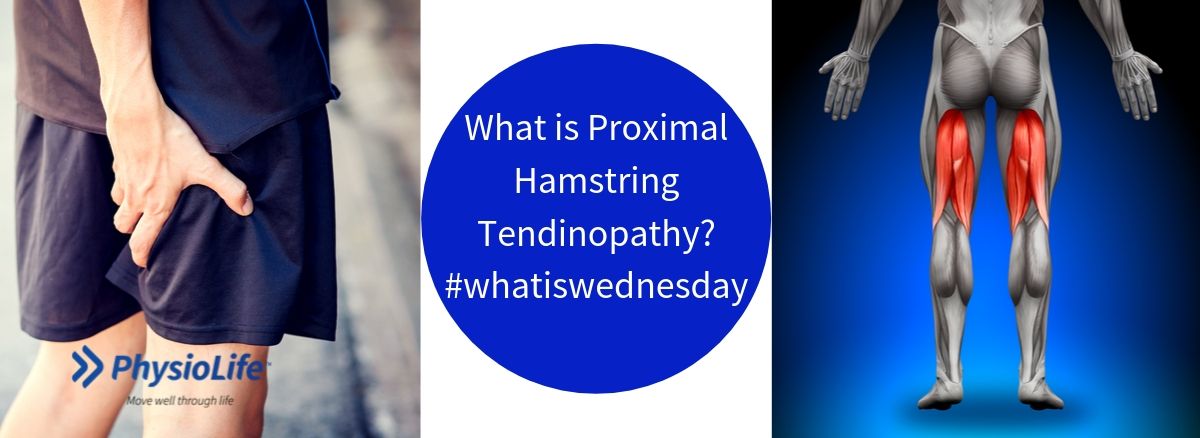
What is Proximal Hamstring Tendinopathy?
Proximal hamstringtendinopathyis an injury where pain is felt in the upper hamstring/glute region, typically due to over-activity. The hamstrings are group of muscles that are commonly strained during sporting activity. Albeit not as common as ahamstring strain, hamstring tendinopathy is a frequently encountered problem for those who perform repeti
Find out more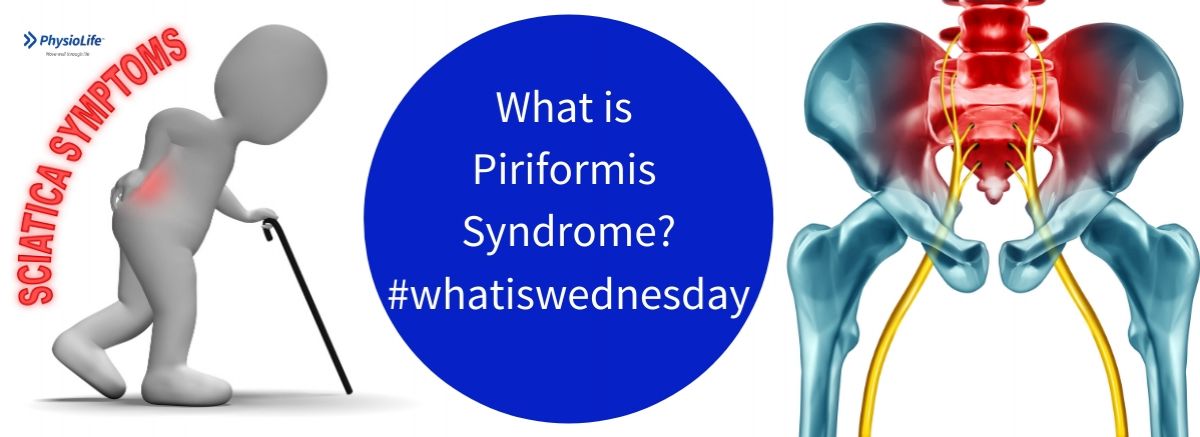
What is Piriformis Syndrome?
The piriformis is a muscle located in the buttock and is part of the deep external rotators of the hip. The gluteal region has many different muscles all contributing to movement and stabilisation of the hip. The piriformis muscle originates from the posterior sacrum (near tail bone) and attaches to the greater trochanter (bony area lateral hip). I
Find out more
What is Parkinson's Disease?
Parkinson’s Disease (PD) is progressive neurological condition that results in death to cells in the brain that modulate movement and mood. Neurotransmitters are chemical messengers that transmit signals around the brain. In patients with PD, the neurotransmitter that creates dopamine begins to die. Dopamine is critical for smooth muscle cell mov
Find out more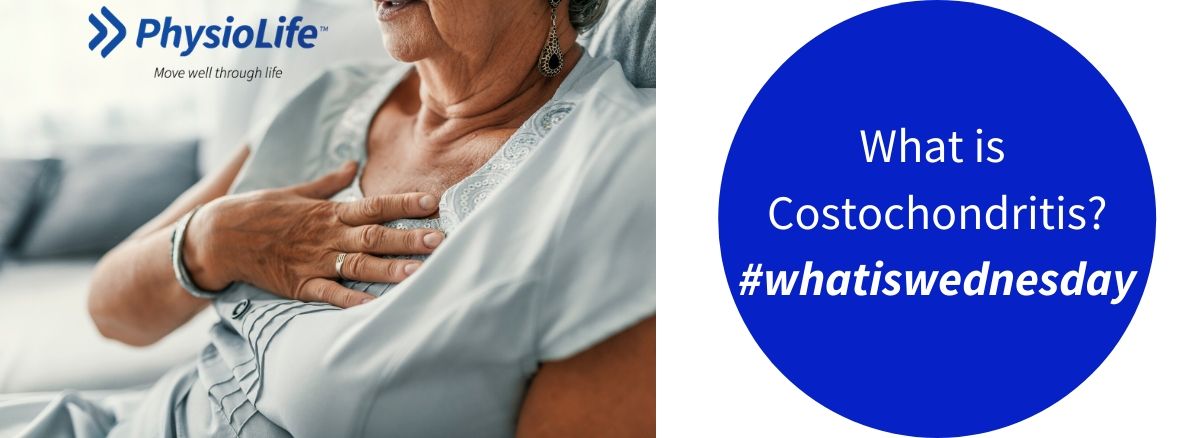
What is Costochondritis?
Costochondritis is a painful condition at the joints between the sternum and the ribs. There are 12 individual ribs that make up the rib cage, 7 of these attach to the sternum bone. Importantly, the ribs do not attach directly to the sternum, they attach via cartilage known as "œcostal cartilage". These are the areas that are affected by Costochond
Find out more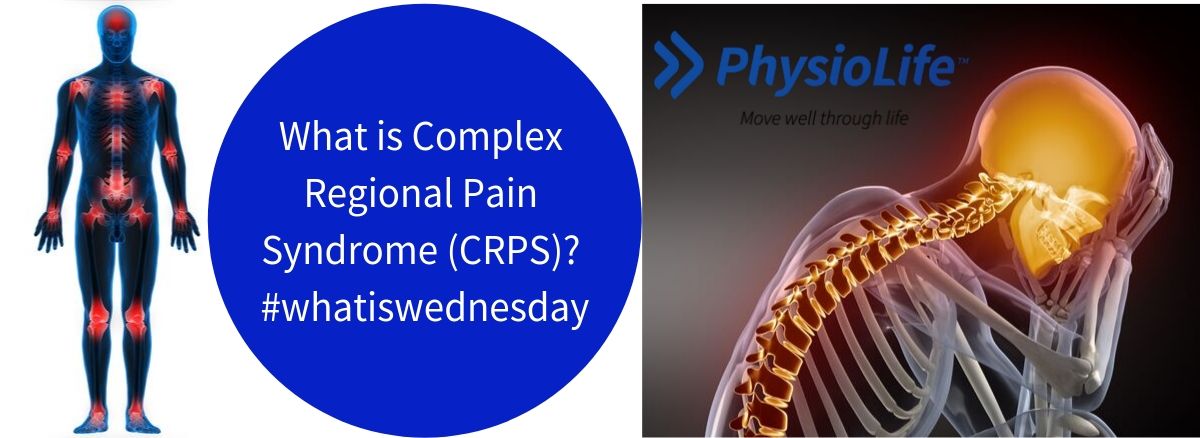
What is Complex Regional Pain Syndrome (CRPS)?
Complex Regional Pain Syndrome (CRPS) is a neurological malfunction where pain is heightened for an abnormal duration following injury. CRPS is poorly understood, and the exact cause of it is unknown. The pain is believed to be caused by abnormal inflammation process and/or nerve malfunction. CRPS can be differentiated into type I & type II. Type I
Find out more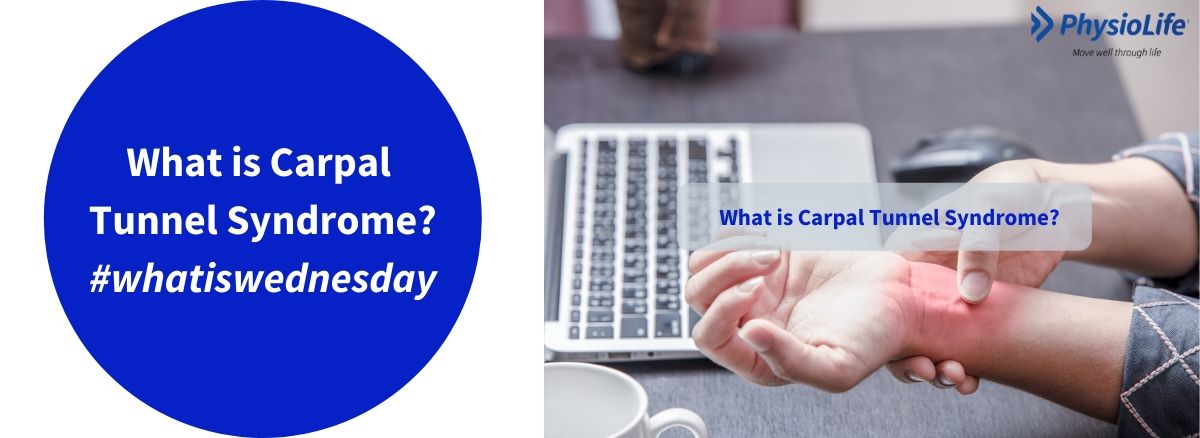
What is Carpal Tunnel Syndrome?
Carpal Tunnel Syndrome is a common condition involving persistent pain, tingling and numbness in the hand. It is the result of compression of one of the major nerves in the hand/wrist, the median nerve.
Find out more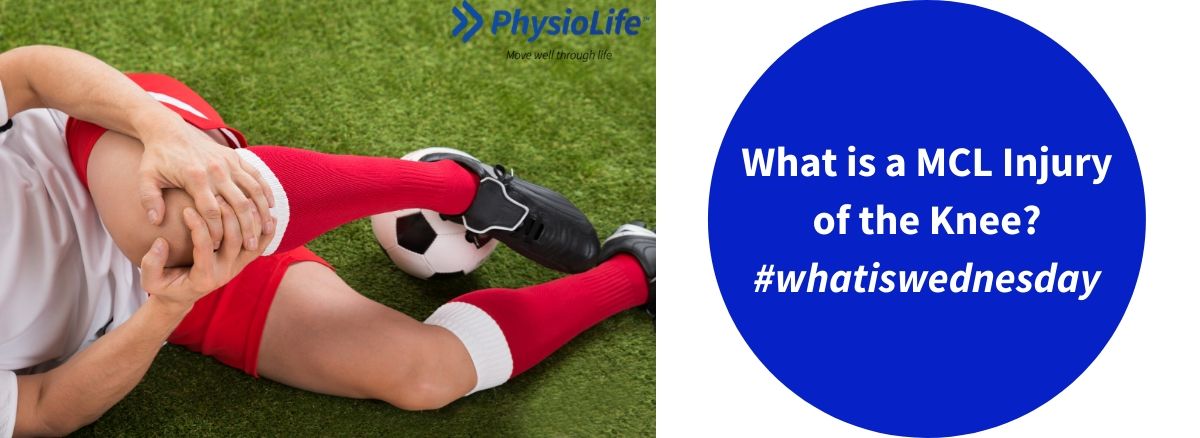
What is a Medial Collateral Ligament (MCL) Injury of the Knee?
The MCL stands for Medial Collateral Ligament. The MCL does not solely exist in the knee as other areas of the body also have an MCL, e.g. the elbow. Medial refers to the inside part of the body, collateral meaning an accessory part and ligament being a strong connective tissue. The MCL attaches from the inside of the femur, running along the knee
Find out more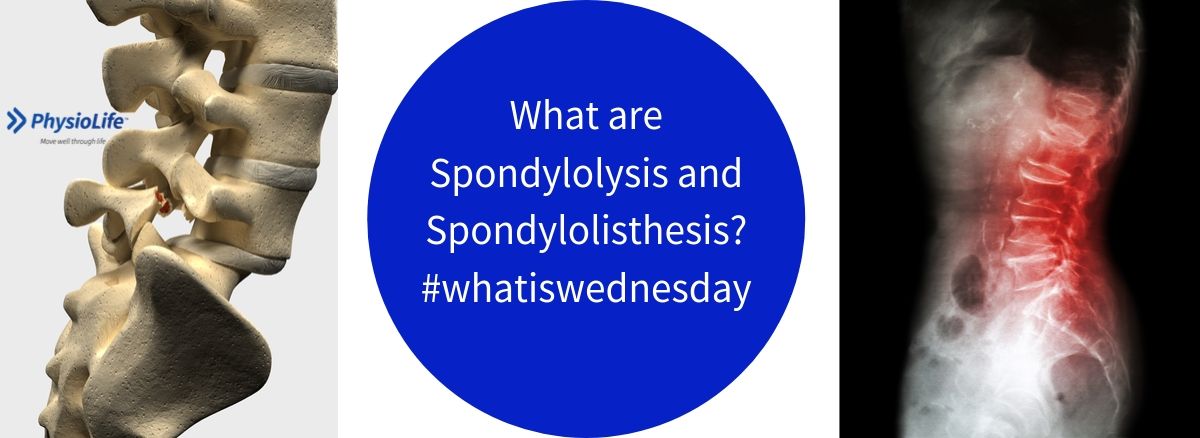
What Are Spondylolysis and Spondylolisthesis?
The spine is arguably the most important structure in the human body. As humans, we are endoskeletons, meaning our bones are found on the inside of our body. Often referred to as the spinal column, the spine is strong supporting structure that provides the entire framework for our body. Whilst the spine is robust, it has an important function of al
Find out more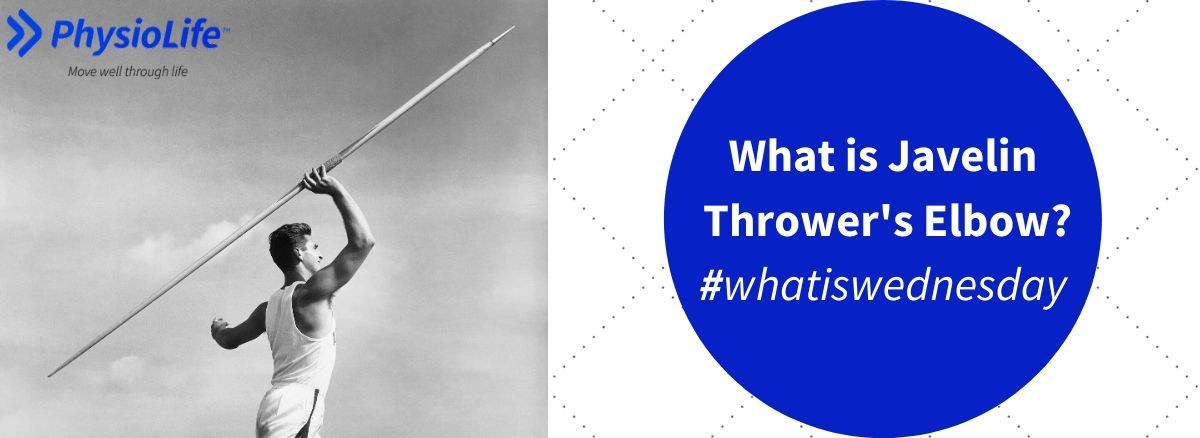
What is Javelin Thrower's Elbow?
Javelin throwers elbow is an injury to the medial collateral ligament, often caused by overuse. This injury is common in throwing athletes who participate in baseball, water polo, handball, tennis, cricket and javelin. You will begin to experience this injury if the force placed on the MCL is greater than the tensile properties of the ligament. Inc
Find out more
What is SCAD?
Spontaneous Coronary Artery Dissection or SCAD is rare and often misdiagnosed emergency condition that typically occurs in middle aged, fit and healthy females. During SCAD the wall of a coronary artery develops a tear and blood begins to pool behind the damaged tissue. As the build-up continues, there becomes a decreased lumen (space) for blood to
Find out more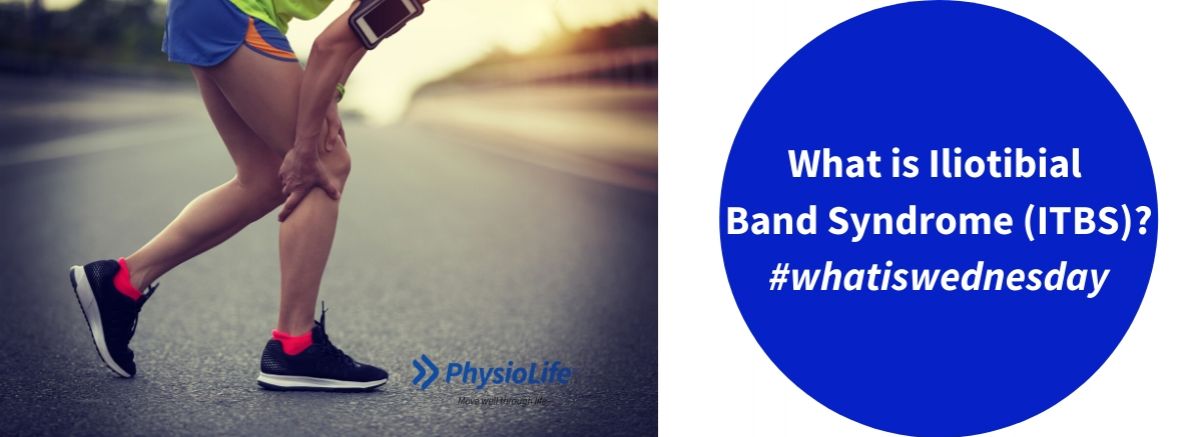
What is Iliotibial Band Syndrome (ITBS)?
Iliotibial band Syndrome (ITBS) is a common injury that results in pain at the lateral aspect of the knee. The Iliotibial band (ITB) is a non-contractile band that runs from the outer hip to the lateral knee. ITBS is an overuse condition and is primarily caused by repetitive knee flexion and extension; therefore it is seen most frequently in runner
Find out more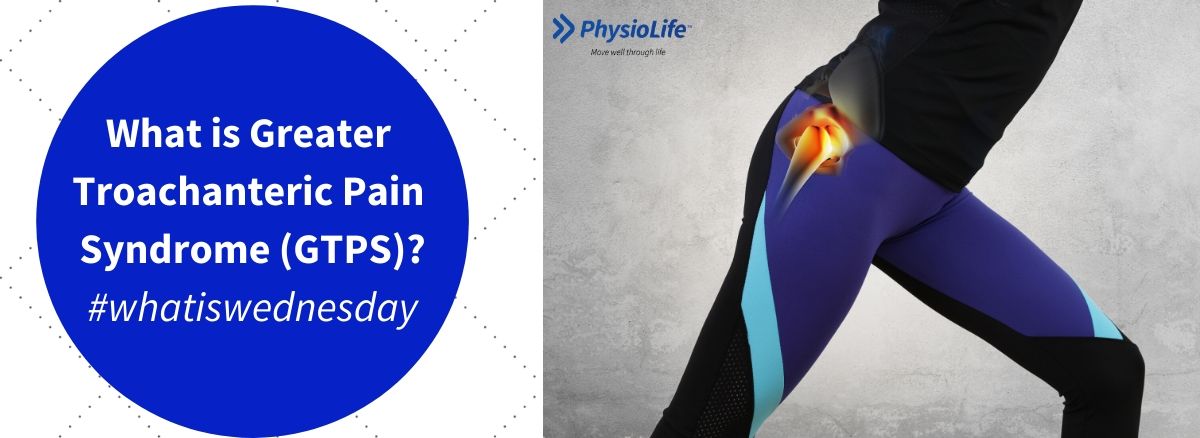
What is Greater Trochanteric Pain Syndrome (GTPS)?
Greater Trochanteric Pain Syndrome (GTPS) is a modern-day term that describes lateral hip pain, that includes trochanteric bursitis associated with tendinopathy of gluteus medius and gluteus minimus (among other muscles). Previously, this condition was referred to as trochanteric bursitis, however the new definition recognises that inflammation of
Find out more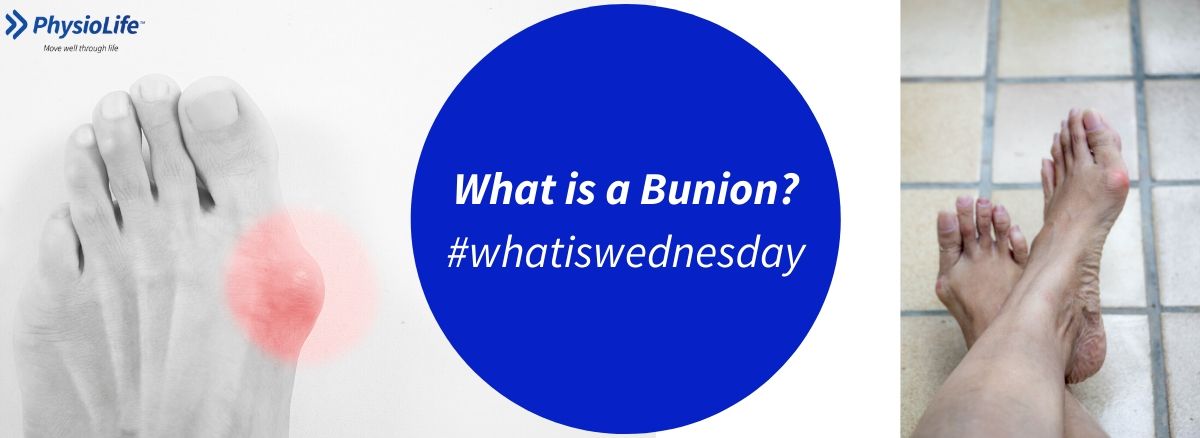
What is a Bunion?
Hallux valgus, more commonly known as a bunion, is a progressive condition in which your first metatarsophalangeal (MTP) joint becomes subluxated over time. The MTP is located at the ball of the foot. As the condition progresses, this joint begins to deviate causing the phalanges to adduct and the metatarsals to abduct. This leads to a bony promine
Find out more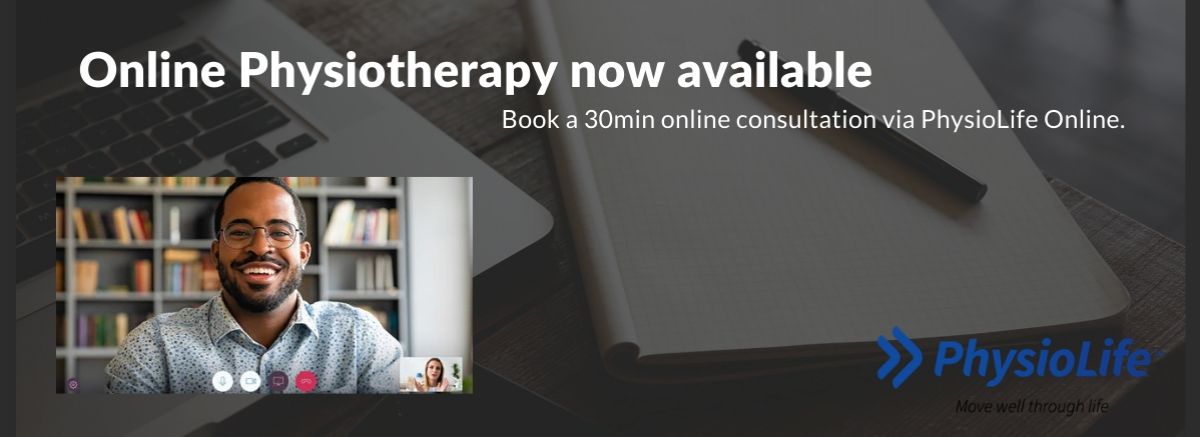
Online Physiotherapy
Due to the currentCOVID-19situation, we have had to pivot and move with the times. We have fully joined the digital-online health sphere thanks to our friends at Cliniko - which hosts our capability to securely conduct telehealth appointments. This system adheres to all privacy and data security requirements unlike a lot of the other available tele
Find out more
What is Rheumatoid Arthritis?
Rheumatoid arthritis (RA) is an autoimmune disease that causes pain and swelling to the joints. Autoimmune disorders are conditions where your immune system starts attacking its own healthy tissues. Large amounts of Inflammation in the lining of the joints is the long term cause of damage and deformity. RA will generally affect smaller joints in the body, such as the hands and feet. Where asosteoarthritisaffects the joints that are involved in weight bearing such as the hips and knees.
Find out more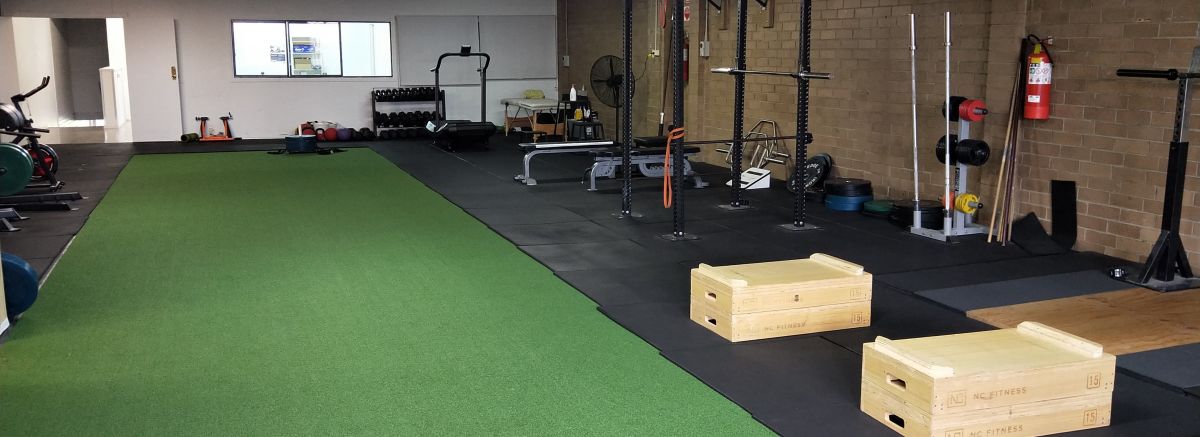
Running Biomechanics Workshop
Over the weekend I took part in a running biomechanics workshop at Melbourne Athletic Development (MAD). MAD provide physiotherapy, injury prevention and sports performance training. The workshop was directed by John Nicolosi. (B.Physio, M.ExSci), who was a very knowledgeable and practical guide. The workshop focused on understanding running/sprinting, analysis of biomechanics and practical application.
Find out more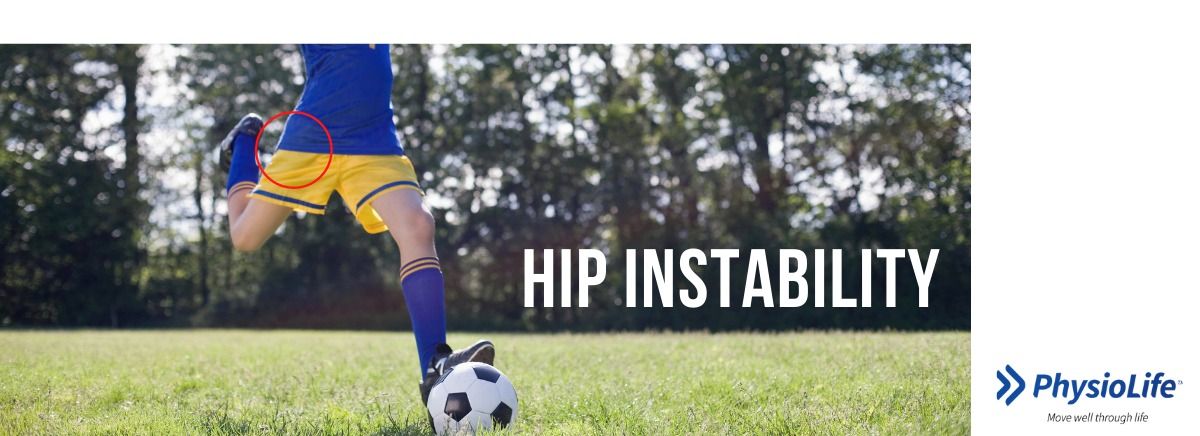
What is Hip Instability?
Hip instability is an umbrella term for conditions where pain or weakness affect the function of the hip (or surrounding areas, such as the lower back). This may occur as a result of a ligament injury, a connective tissue disorder (such as Ehlers-Danlos Syndrome) or conditions affecting the bony shape of the hip, such as hip dysplasia.
Find out more
PhysioLife.physio is now live!
The hard working folks atFour Pihave been busy behind the scenes to put this wonderful shiny new website together. You will notice greater ease in finding our online booking links and a fresh layout for enhanced usability. We are very proud of the new website and we hope you guys like it as much as we do!
Find out more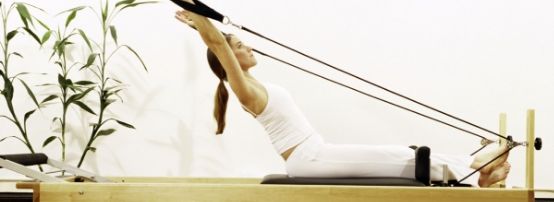
Clinical Pilates Exercise
Australian physiotherapists developed Clinical Pilates to combine the concepts of the original traditional pilates exercises with current physiotherapy knowledge based on research into spinal stability and directional preference. This method of Clinical Pilates is very different from the pilates available in gyms and pilates studios.
Find out more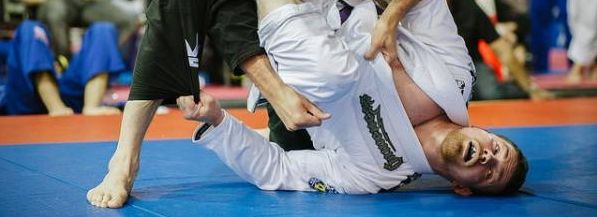
Alphington Physio Matt Ho talks BJJ neck injuries and pain
Even to a completely inexperienced grappler, it would come as no surprise that Jiu Jitsu can be problematic for the neck. In a sport where the aim is to control, strangle and submit your opponent, the neck is often a key pillar in a wide range of attacks. So if, like me, you have suffered neck pain after a jiu jitsu session, read on!
Find out more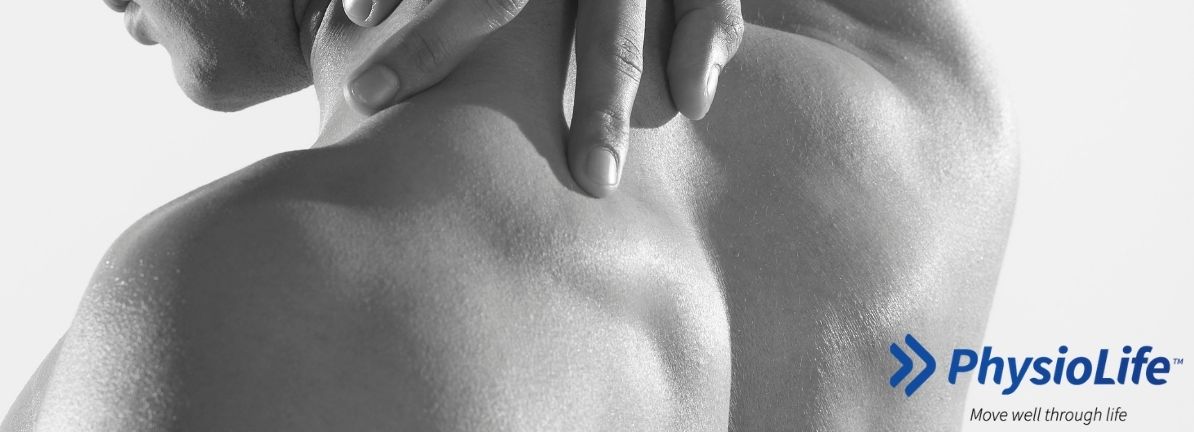
Warrandyte Physiotherapist Rachel Crosbee talks about Neck Pain & Headaches
Pain in the neck is exactly that, a pain in the neck. It can affect our sleep, our concentration, can cause headaches and interfere with the simplest of activities. Problems in this region can be severe and debilitating. We need cervical (neck) mobility to be able to drive safely, even socialising can be difficult for people are suffering with pai
Find out more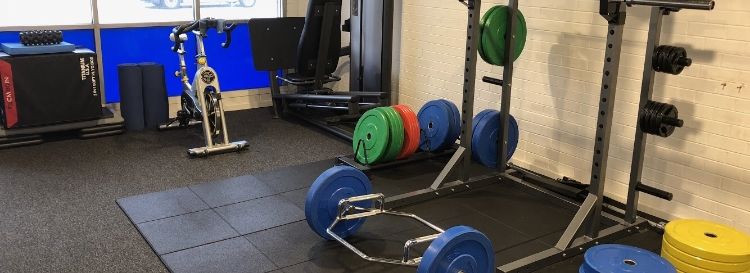
PhysioLife Bulleen- Welcome to the newest Physiotherapy Clinic in Bulleen
The Bulleen site was originally opened inside the Bulleen Health and Fitness 24/7 gym. However it quickly outgrew the space and moved to a new stand alone facility complete with rehab gym just around the corner. Located next to the iconic "Pool shop" and Manningham Veterinary Clinic, there is now safer and more readily available parking for patient
Find out more
GLAD program for knee arthritis (OA) at PhysioLife Alphington
As previously outlined, surgery is not the only treatment option when it comes to dealing with knee and hip OA. Conservative treatment has become a more popular mode of treatment, given weight of research and lack of significant complications. The GLA:D program aims to bring together popular research into an easy to follow course that is run by phy
Find out more
Evolt 360 body composition analysis scanning at PhysioLife Heidelberg
The Evolt 360 is a set of scales that uses special frequencies to meausre the composition of your body. This is avilable atPhysioLife Heidelberg.
Find out more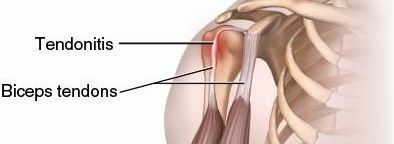
Laurence Schubert describes Biceps Tendinopathy
The biceps brachii muscle consists of two components, the long and the short head. The muscle originates from the front of the shoulder and attaches down at the upper forearm. The tendon aspect of the biceps is at its origin and its insertion. In between the tendinous components the more bulky muscle belly connects to either side. All of which are
Find out more
5 tips for lower back pain
Most people’s initial reaction when they have a back issue is to stay still and rest. Typically this is the last thing you should do. The less you move the more your back will view movement as a threat. The key is not to push yourself too much but to do as much of what you can tolerate. Going for a short walk or a swim are often a good place to sta
Find out more
Book your appointments online
It has never been easier or more convenient to book yourself an appointment with your favourite physio online. This can be done any time of day (or night).
Find out more
9 Top Tips for Training With Injuries
If you're anything like me, you will hate missing exercise sessions, but the reality is that most people who train will be injured at some point in their lives. That doesn't mean you have to stop training altogether! Here are our top tips to help you keep training when injured:
Find out more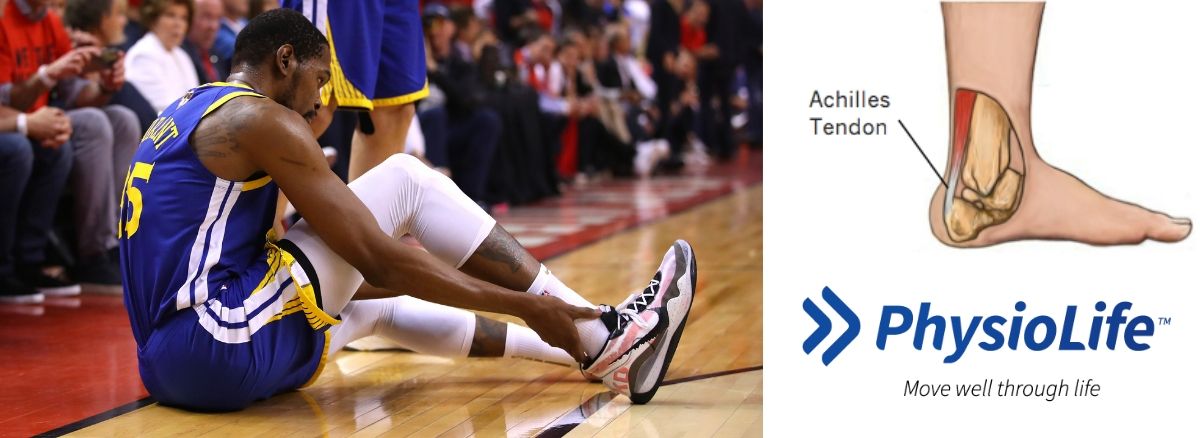
What is an Achilles Tendon Tear?
After the Kevin Durant injury in Game 5 of this years NBA finals series, we have been asked by many people about this. Rather than speculate and give opinion of whether or not he should have been on the court, Laurence gives a brief description of an Achilles Tendon injury.
Find out more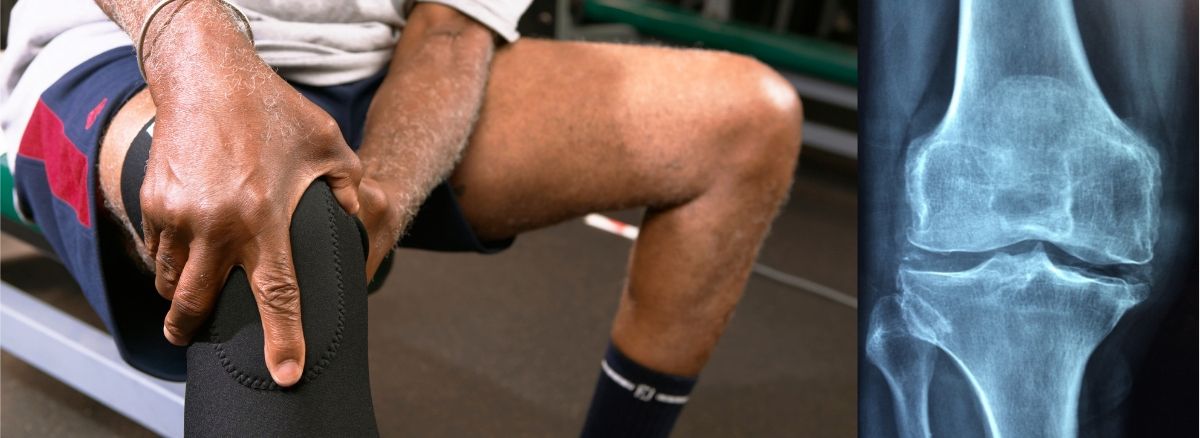
5 Facts about Knee OA
-Scans are poorly related to pain and disability:Patients often attend physiotherapy clinics with OA on X-Ray, but little to no pain or mechanical symptoms. Do not be scared of scan results; pay more attention to pain and disability, as these are the symptoms that will dictate OA severity
Find out moreRunning Biomechanics Workshop
Over the weekend I took part in a running biomechanics workshop at Melbourne Athletic Development (MAD). MAD provide physiotherapy, injury prevention and sports performance training. The workshop was directed by John Nicolosi. (B.Physio, M.ExSci), who was a very knowledgeable and practical guide. The workshop focused on understanding running/sprint
Find out more
Are you overtraining?
With the Melbourne Marathon just 3 short months away, along with a raft of other major sporting events, there are a lot of amateur athletes increasing their training volumes and intensity. This is easier said than done, as a slight miscalculation in training load can lead to injuries, excessive fatigue and, worst case scenario, missing the start l
Find out more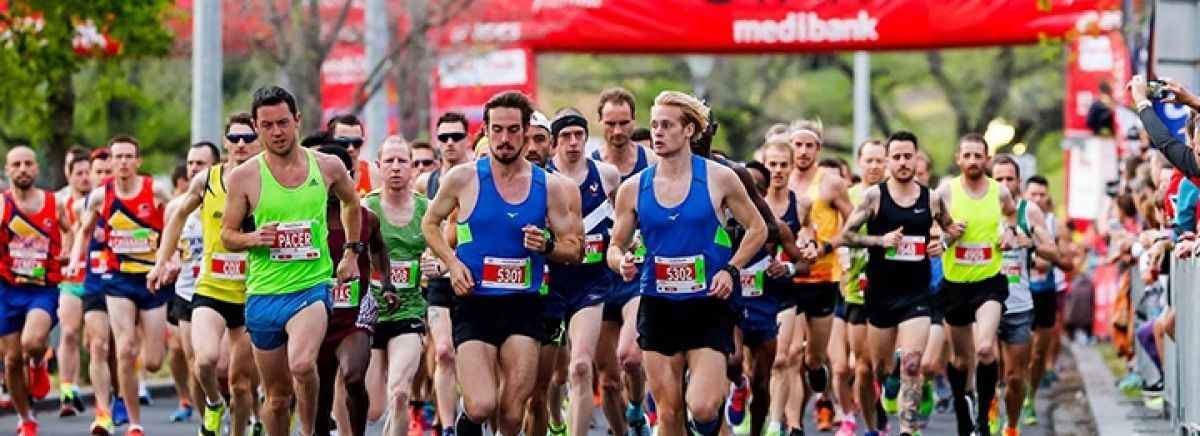
The Marathon Experience
With the Melbourne Marathon just a few weeks away, we sat down with one of our physios Matt to discuss his experiences as an amateur runner.
Find out more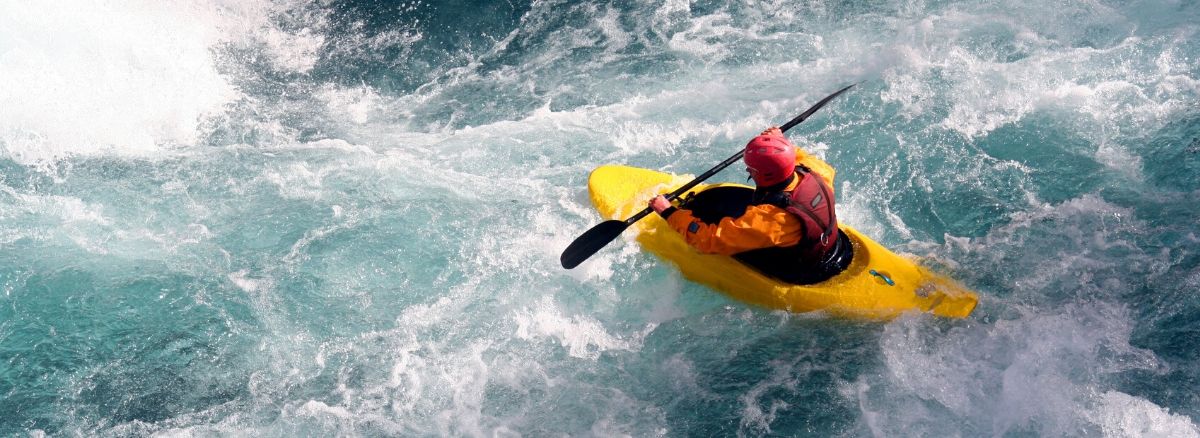
Kayak Home Strength Workout
PhysioLife is a long established, family friendly and patient focused clinic with a passion for helping people recover from any ailment or injury.
Find out more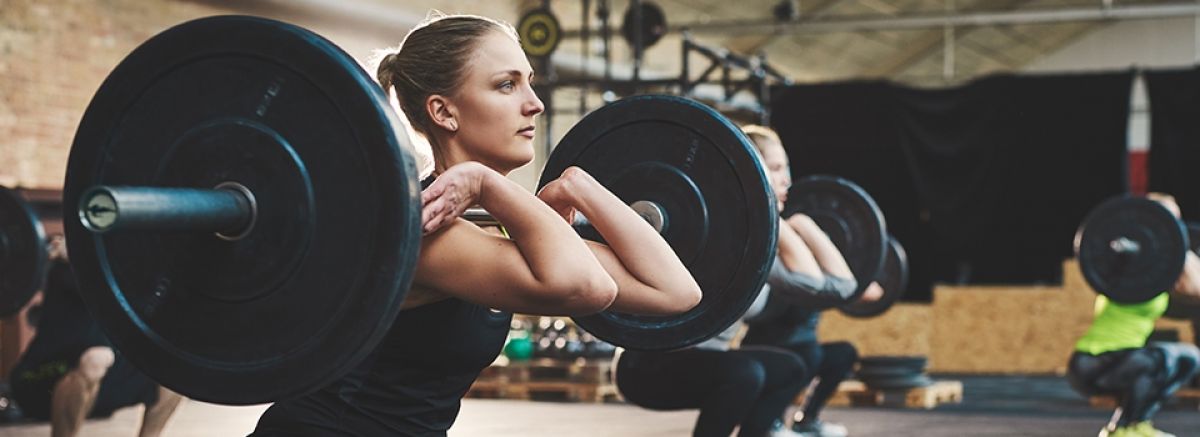
5 Myths About Weight Training
As health professionals, we know the benefits of resistance training, including the use of weights to improve strength. However, all too often patients are misinformed about the potential negative consequences of weight training, and subsequently concerned about starting. Here are the top 5 myths about weight training:
Find out more