
Howto Prevent Neck Injuries and Maintain the health of the Neck in BJJ
In our last article, we looked at how neckinjuries occur in Jiu Jitsu and how to adequately manage acute and chronic neckpain. Here, we will look at ways atpreventing neck injuries including rolling strategies, range of motion andstrengthening options.
AvoidingNeck Injuries
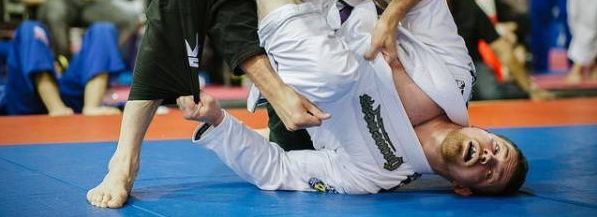
Jiu Jitsu, and most other grappling martialarts, requires significant amounts of neck activity. Often practitioners will post their head onthe mat for balance or use their neck as a wedge, preventing escapes fromcertain positions. Alternatively, theneck can be put into disadvantageous positions during neck strangles andcranks. These positions are usually ok, but become dangerous when the neck isno longer in a mechanically advantageous position: think about a neck excessively rotated orflexed to the side in a guillotine or D’Arce. As previously outlined, it isgenerally at the extremes of range where neck injuries occur. So ensuring the neck is relatively close tomidline is an important rolling strategy to injury avoidance. Other strategies include:
-Regularly change position: Prolonged poor neck posture is likely to leadto some form of tissue damage. Playingguard, for example, can lead to a lot of cervical (neck) flexion for longperiods, so try to mix up your game regularly, and try some passing!
-Don’t be afraid to tap! Fighting out of submissions, particularlyneck strangles, will invariably lead to situations where neck tissues arepushed beyond their limits. If you are training and in a tight choke,tap to save your neck, unless you are really confident of escaping.
-Mix up gi and no-gi: Because of the different levels of frictionand grappling styles, you will likely encounter different strangle situationsand neck positions in gi and no-gi jiu jitsu, effectively avoiding prolongedpostures.
-Warm up: do some basic active range of motion exercises prior to rolling. This will hopefully improve the lengthtemporarily of soft tissues in the neck and allowing for an extended range ofmotion before injury occurs. Theseshould also improve the body’s awareness of where the neck is in space, andhelp to maintain relatively neutral neck posture.
NeckMaintenance
Like all parts of the body, the cervicalspine will benefit from a physical maintenance program. There are two main elements to consider: neck range of motion and neck strength.
Neck range of motion can be maintained orimproved by completing both active (neck only) and passive (other forceshelping) range of motion exercises. These should be completed regularly for the best results (up to once perday). Using your hands to gently pushyour neck forward and back (flexion/Extension), Side to side (lateral flexion)and around (rotation) will help to maintain neck range of motion. You can even use a towel to help attain theextra range.
Neck Strengthening may well be the mostimportant factor in preventing injury. If your neck is more able to deal with the increased forces requiredduring a jiu jitsu session, you are less likely to push the tissue to the pointof injury. Here are some examples ofsimple strengthening exercises:
Against gravity: These use gravity to provide resistance, andare a great place to start if you are new to jiu jitsu or neck strengthening.
Theraband: These use a band for resistance for neck movements, and are a greatintermediate option that lacks compressive forces through the neck
Theraband flexion
Theraband rotation
Theraband lateral flexion
Bridges: A favorite of wrestlers, these are end game exercises for neckstrength. They are especially useful, asthey mimic some of the positions you will encounter during a session. But beware: these are not for the rookie. Dueto the compressive forces through the cervical vertebrae and discs, there is aheightened risk of injury, so take your time to build up! You can use a fitball up against a wall tobuild up to full bridges.
Neck bridge
The neck is one of the most importantstructures when it comes to grappling sports. So look after it, and it may even become a weapon!