
Osteoarthritis of theHip
By Laurence Schubert APAM
What isOsteoarthritis (OA)?
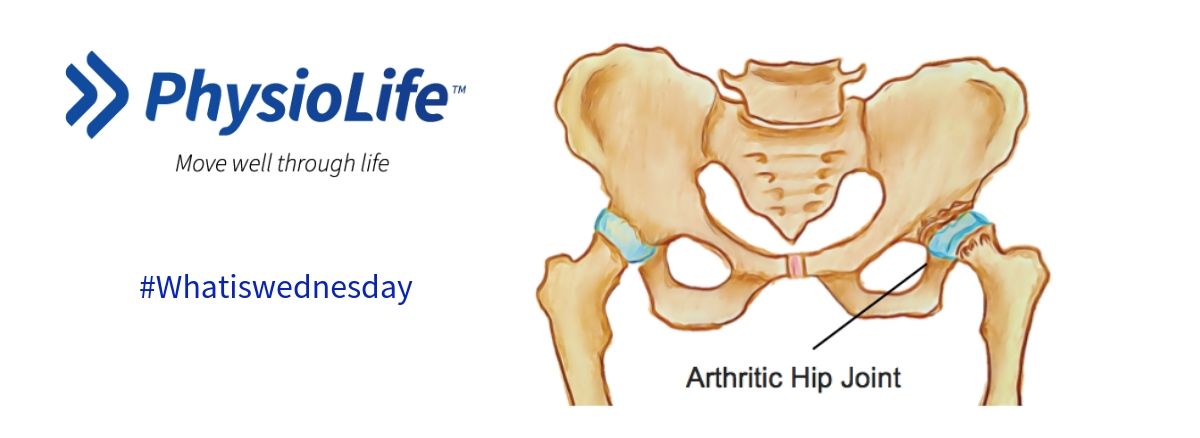
Osteoarthritis (OA) is a type of arthritis relating tobones. Therefore, OA is a degenerative condition affecting the bones and thecartilage of joints. A joint is made up of bone, cartilage and othersurrounding tissue. Cartilage is a strong, flexible connective tissue thatprovides shock absorption and cushioning between bony surfaces. Over time,cartilage breaks down, thus increasing stress and friction on bone. As a resultof this stress the body creates bony deposits around the joint for protection,thus worsening pain and range of motion.
Osteoarthritis commonly affects hands, knees, hips, andspine. OA is more prevalent in older adults, however can affect all ages. As weage, the elasticity of our cartilage begins to decline, resulting in increasedloading through our joints. The following are risk factors for developing OA:previous trauma to the hip, family history of OA, obesity, developmentaldysplasia (birth defect), impingement of the hip and a history of intenseweight bearing activities.
What arethe signs and symptoms?
• -Pain
• -Reduced range of motion
• -Morning stiffness
• -Grating/cracking sensation during certainmovements
• -Joint swelling
In the initial stages of OA, mild pain may be felt witheveryday tasks such as walking, running or getting up from a chair. As thedisease progresses, functional activities will become more difficult and morepainful. As a result of decreased activity, muscular weakness is a commonfinding.
How canphysiotherapy help?
Physiotherapy can help reduce pain, improve your functionand delay progression of the disease. A physio guided program will targetdeficits such as strength, balance and proprioception. Treatment may alsoinclude joint mobilisation, stretching and muscle release. The individualisedprogram will aim to reach goals that you have set with your physio, whetherthat is pain or improving your everyday function.
For more severe cases of OA, a surgical joint replacementmay be useful in order to improve pain and function. Following this surgery, acomprehensive rehabilitation program will be needed to ensure recovery is quickand the surgery is effective.