
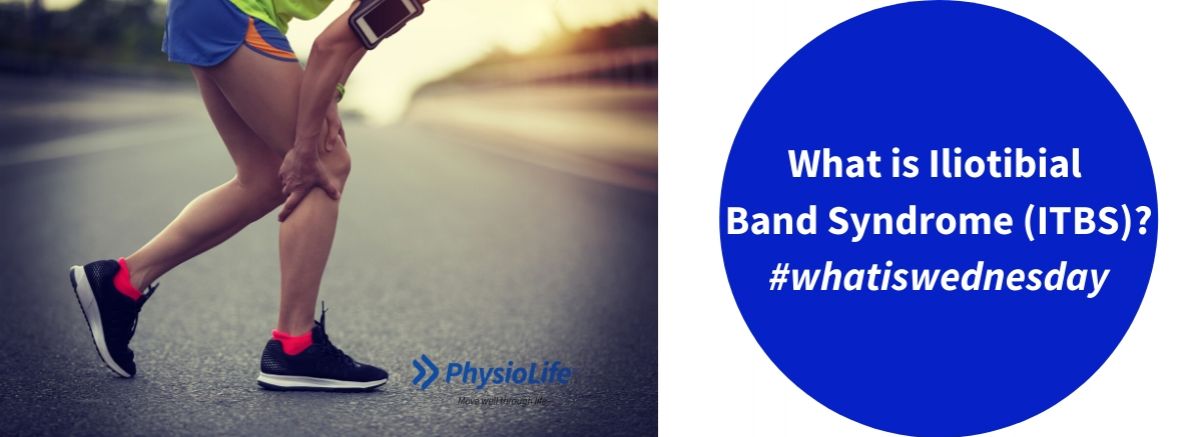
What is Iliotibial Band Syndrome (ITBS)?
By Laurence Schubert APAM
Iliotibialband Syndrome (ITBS) is a common injury that results in pain at the lateralaspect of the knee. The Iliotibial band (ITB) is a non-contractile band thatruns from the outer hip to the lateral knee. ITBS is an overuse condition andis primarily caused by repetitive knee flexion and extension; therefore it is seenmost frequently in runners or cyclists. During knee flexion and extension, theITB glides over the lateral aspect of the knee. However, this repetitive motionalong with other factors can cause excessive friction, leading to the painexperienced by those with ITBS.
What Causes Iliotibial Band Syndrome?
- Overuse/poorload management - This is the most important factor for most cases of ITBS andoveruse injuries. For example, changes in training volume need to be incrementaland measured. Determining your training load must take into considerationfactors such as age, current physical condition, previous injuries and type oftraining.
- Poorbiomechanics - This includes a host of biomechanical deficiencies, eitheroccurring naturally or due to previous injuries. The most common finding forpeople with ITBS is weakness and poor control of hip abductors (glutes). Poorcontrol or weakness of the hip abductors will lead to increased internalrotation of the hip and knee valgus. This changes the length tensionrelationship of the ITB and increases the tensile force applied to theattachment of the ITB. Other important factors that affect ITBS includefootwear, RUNNING TECHNIQUE and gender (more common in females due to greaterhip angle).
What are the Symptoms ofIliotibial Band Syndrome?
Thesubjective information from the patient will largely determine if they aresuffering from ITBS. They will likely be experiencing pain on the lateralaspect of knee, that can feel like a burning sensation that moves up or down.Pain is particularly noticeable during physical activity such as running,cycling or any activity that involves lots of knee flexion/extension(bending/straightening). When the condition is more severe, the patient willnotice pain upon heel strike during walking as well pain following completionof exercise. In some cases patients will experience a snapping or popping soundat the knee, which is where the ITB glides over the knee. This can also occurin non-injured patients.
Differential diagnosis
There aremany different injuries that present similarly to ITBS; therefore, it iscritical your physiotherapist or health professional conducts a thorough assessment. Differential diagnosis for ITBS include: Patello-femoral painsyndrome (PSPS), strained LCL (lateral collateral ligament), biceps femoristendinopathy, osteo-arthritis, lateral meniscus injury, popliteal tendinopathy,trochanteric bursitis, stress fractures, osteochondritis dissecans.
How do you treat Iliotibial Band Syndrome?
In almost allcases of ITBS, you will make a full recovery with conservative treatment. Onlyin extremely rare cases will surgery need to be considered.
Initially, aperiod of modified rest is needed to prevent further aggravation of yoursymptoms. This will include a review of your training program and likelymodifying your activity to exercises that won't aggravate the pain. AtPhysioLife we rarely will prescribe complete rest; instead we will discussother activities more suitable for your injury.
Through athorough assessment your physio will identify the most important factorscontributing to your condition. Your physio will use a combination of massage,manual therapy and additional modalities such as dry needling or shockwavetherapy. The treatment will focus on lengthening and reducing the tensile forceof the ITB. Exercise rehabilitation makes up a large portion of the recovery;this is essential to ensure the condition improves and does not return. The ITBand glutes are the most common areas focused on during the exercise rehab.Typically this will include stretches and strengthening exercises that improvehip abduction control. You may require retraining of running, jumping oralternate movement tasks.
To get you started:
- Foam rolling through glutes and ITB (lateralaspect of thigh) – complete 2 minutes x3 per day.
- Glute stretch - whilst sitting, cross affectedleg over the other knee and lean forward until a gentle pull is felt in theoutside of the hip. Hold for 15 second and complete 3 times.
If you have any questions about ITBS or knee pain, please contact us or book online for an appointment.