
Piriformis Syndrome
ByLaurence Schubert APAM
What is Piriformis Syndrome?
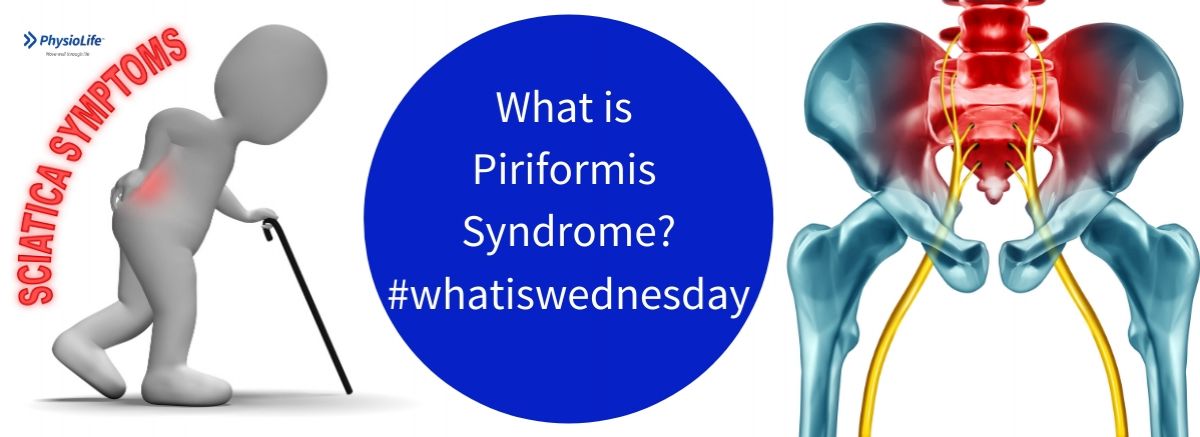
Thepiriformis is a muscle located in the buttock and is part of the deep externalrotators of the hip. The gluteal region has many different muscles all contributingto movement and stabilisation of the hip. The piriformis muscle originates fromthe posterior sacrum (near tail bone) and attaches to the greater trochanter(bony area lateral hip). Its main function is external rotation, abduction andpartial extension of the hip.
Whenthe piriformis muscle is irritated or compressed, this is known as Piriformis Syndrome.
What are the symptoms of Piriformis Syndrome?
Patientswill experience pain and possibly neural symptoms such as numbness, paraesthesiaand burning. These symptoms will generally be felt in the buttock and canradiate down or up, generally down the pathway of the sciatic nerve. It iscommon that patients will experience symptoms going down the lateral and posterioraspect of the lower limb and can reach as far as the foot. Pain may be aggravatedduring activity such as walking, squatting or any single leg stance tasks. It islikely pain will be felt upon palpation of the area, stretching of the gluteand prolonged sitting.
What causes Piriformis Syndrome?
Piriformissyndrome is often caused by microtrauma to the buttocks, leading to inflammationof soft tissue, muscle spasm and resultant nerve compression. Muscular spasm ofthe piriformis can be caused by direct trauma, lumbar/SIJ pathologies or overuse.
Aboveare all secondary causes, however on rare occasions there can be primary causesof piriformis syndrome. Some patients may have anatomical variances or anomaloussciatic nerve pathway. E.g. the sciatic nerve may pass through the muscle bellyof the piriformis, causing increased risk of compression.
Could it be something other thanPiriformis Syndrome?
Absolutelyit can be. Piriformis syndrome is easily compromised with lumbar involvement.Therefore, it is important you obtain a correct diagnosis to investigate thelumbar spine as this is commonly involved in presenting cases of piriformissyndrome. Many other conditions also masquerade as piriformis syndrome such asgreater trochanteric pain syndrome, lumbar radiculopathies, SIJ dysfunction,lumbar spinal stenosis.
How do you manage piriformis syndrome?
Initiallypiriformis syndrome should be managed conservatively for up to 3 months, iflittle improvement occurs then referral to specialist surgeon may be necessary.In the first few weeks of treatment the aim will be to settle down the pain andallow regular day to day function. Modify activity levels and NSAIDs may beuseful initially. Physiotherapy will focus on soft tissue mobilisation and triggerpoint release therapy. This has been shown to effectively reduce pain in the acutephase of the injury. Following this, a series of rehabilitation exercises maybe needed. It is likely the patient will need strengthening and control exercisesto reduce pain and prevent the injury from occurring again.