
Plantar Fasciitis (Plantar Fasciopathy)
By Laurence Schubert APAM
What is Plantar Fasciitis?
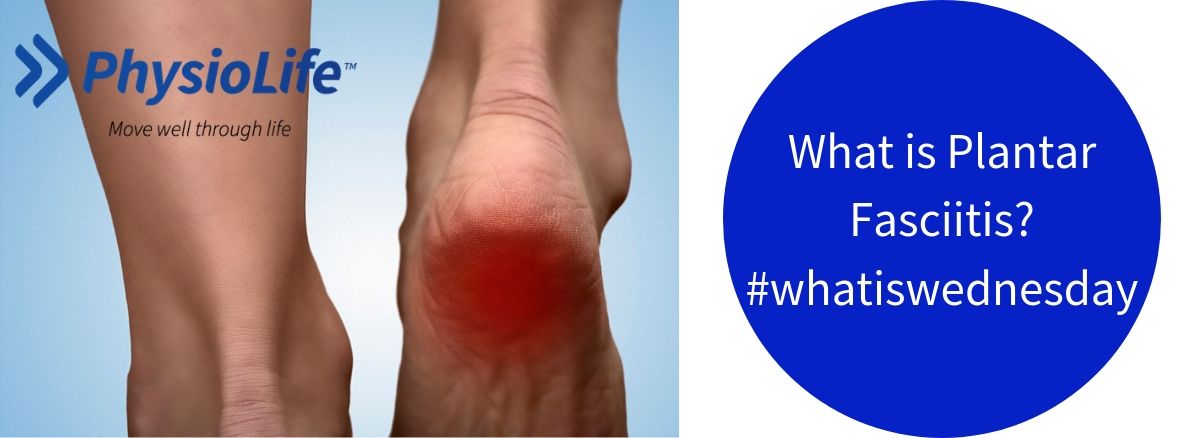
PlantarFasciitis (Plantar Fasciopathy)is a painful overuse condition in whichthe plantar fascia causes pain at the heel in and along the arch of the foot. Formerlyknown as plantar fasciitis, plantar fasciopathy encompasses other aspects ofheel pain. The plantar fasciitis is a strong fibrous connective tissue (aponeurosis)that originates from the calcaneus (heel bone) and attaches to the metatarsalheads on the plantar (sole) surface of the foot.
What are the symptoms of Plantar Fasciitis?
Ahallmark of plantar fasciitis (fasciopathy) is pain in the morning, during the firstfew steps when getting out of bed. Pain will begin to ease the more you walkand generally decrease when performing other physical activity. However, uponcompletion of the activity, an aching pain will return. Plantar fasciitis isgenerally an insidious onset and symptoms increase gradually over time. Painwill present on the medial inferior aspect of the heel and sometimes run alongthe arch of the foot. As the conditions worsens, pain may be present withstanding and worsen with activity. Plantar fasciitis may present similarly to to Sever's disease, however plantar fasciitis is much more common in adults, where as Sever's disease presents in children and adolescents.
What causes Plantar Fasciitis?
Asthis condition is primarily an overuse condition, the most significant factoris training volume. This includes any changes in amount, type and intensity oftraining. Any activity that produces repeated stress on the plantar fascia arelikely to cause plantar fasciitis, e.g. running. People who spend majority of theirworkday standing are also at an increased risk. Other suspected risk factorsinclude; higher BMI, poor foot alignment (decreased arch), sedentary behaviour,decreased foot and ankle flexibility, decreased strength of the calf andintrinsic foot muscles.
Can Plantar Fasciitis be treated?
Definitely!As you can see above, the most significant cause of plantar fasciitis is amountof load through the foot. Therefore, one of the most modifiable risk factorscan be addressed through changes of training volume. A period of relative restmay be required, reducing activities that aggravate your heel pain. Ifpossible, reducing the number of hours standing at work. Other modifiable treatmentsinclude; increasing support in your heel or changing to a more supportive shoeand foot orthotics.
Whenworking with your physiotherapist, treatment will begin with a conservativeapproach and if the plantar fasciitis fails to respond over a period oftreatments, then further imaging or corticosteroid injection may be required.Physiotherapy will focus on addressing any contributing factors such as;reducing muscular tightness, improving ankle joint mobility, strengthening and stretchingexercises. Further treatment that has been shown to be effective is taping ofthe foot, your physiotherapist can complete this for you to help manage with yourpain levels. Below are two home exercises that can get you started on your wayback to pain free living.
Some home remedies for Plantar Fasciitis:
· Frozen drink bottle roller
o Freeze a firm drink bottleand roll the arch of your foot up and down the drink bottle. This will achievetwo things; the application of ice and massaging the plantar fasciitis. Ice isparticularly effective for reducing pain levels in the heel. Begin with 2 x 5-minutebouts per day.
· Self-massage of your arch and lower calves
o Cross your leg over yourknee and begin to use your thumbs on the arch of your foot and working up tothe lower calves. This will release any increased muscle tension that iscontributing to your pain. Begin with 2 x 5-minute bouts per day.
If you are having heel pain, please contact us or book online for an appointment.