
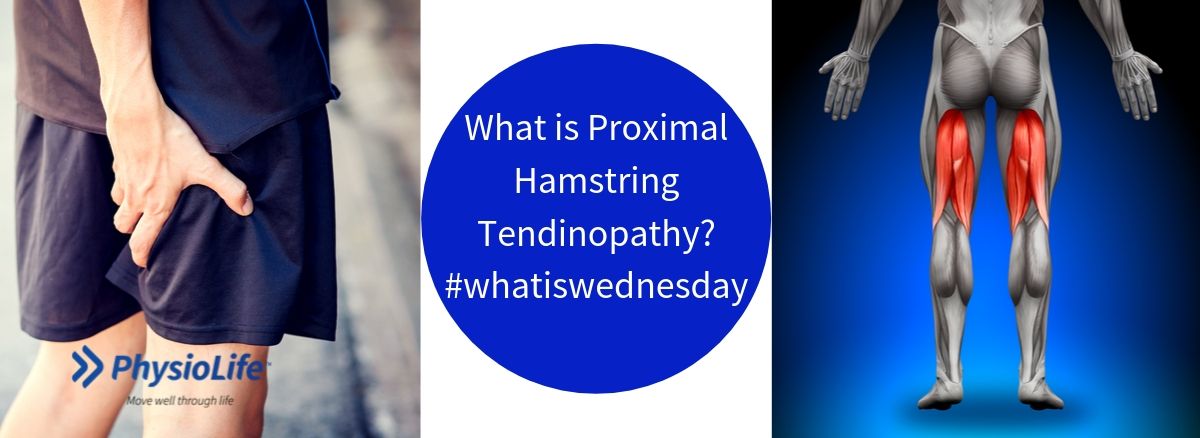
Proximal Hamstring Tendinopathy
By Laurence Schubert APAM
What is Proximal Hamstring Tendinopathy?
Proximal hamstring tendinopathy is an injurywhere pain is felt in the upper hamstring/glute region, typically due toover-activity. The hamstrings are group of muscles that are commonly strainedduring sporting activity. Albeit not as common as a hamstring strain, hamstringtendinopathy is a frequently encountered problem for those who performrepetitive running, jumping and hip flexion. Tendinopathy is commonlyassociated with over activity, so it is likely that if you are experiencingthis issue you have had a sudden change in workload.
What is the cause of Proximal HamstringTendinopathy?
The primary cause of proximal hamstringtendinopathy is mechanical overload of the tendon. Generally, this is accompaniedwith a sudden change in exercise volume or intensity. Due to the anatomy of thehamstring, running places a high eccentric load on the muscle, which is why it’stypically seen in runners of some type. Additionally, hockey players aresusceptible as they are often in sustained hip flexion (when leaning over theball), causing a constant loading through the hamstring.
What are the symptoms of ProximalHamstring Tendinopathy?
Initially, symptoms will begin as mild painduring or following activity in the upper hamstring/lower gluteal region. Oftenthe pain is described as an ache and progresses to a sharper pain. If the conditionworsens, the pain will be too severe for the athlete to perform their chosenactivity. The pain is often felt climbing stairs, walking up hills, sitting forsustained periods, or during stretch of the hamstring.
How do you treat Proximal HamstringTendinopathy?
QUICK TIPS:
- Avoid stretching yourhamstring
- Avoid sustained periods of sitting (this compresses the tendon)
- Administer ice to relieve your pain
- Place a ball under your sit bone and gently massage the area
As with all tendinopathies, initially the aimis to reduce the load through the tendon. This may include modifying or restingfrom your current activities. Following this, a staged and progressive rehabilitationplan should be followed, this can be devised by your physiotherapist. Anybio-mechanical deficiencies will be assessed and targeted during the rehabilitationperiod. Soft tissue massage and other manual techniques can be used to assistin relieving pain in the short term. The most important thing to remember forthis injury, is to slowly progress your activity levels.