
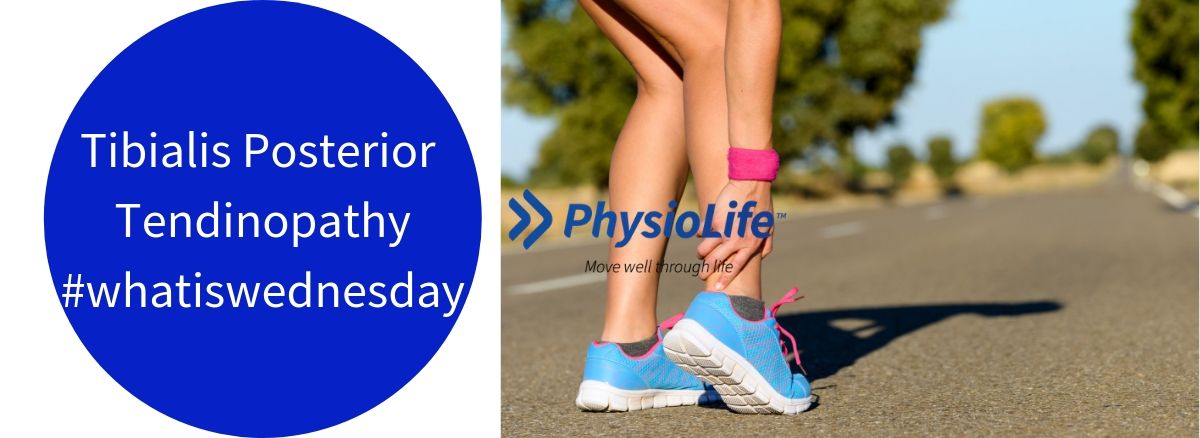
Tibialis Posterior Tendinopathy
By Laurence Schubert APAM
Thetibialis posterior is a muscle thatbegins just below the back of your knee and runs along the inside your entireshin. It continues down the inner aspect of the heel and attaches to a bone inthe arch of the foot.
Thismuscle primarily works a stabiliser and assists in moving the foot/ankle downand inwards towards the midline of the body. However, its main role is to thesupport the arch of the foot. Tendinopathyrefers to any type of pathology (injury) that affects the tendon or tissuessurrounding it.
What are the symptoms?
Painwill proximate along the inside of the foot and ankle (where the tendon lies).This pain will be felt when touching the area and will be exacerbated withmovement, associated swelling is also common. Any activity that requires goingup on the toes, hopping or running may be painful. As the tibialis posteriorsupports the arch of the foot, you may notice your foot rolling in duringwalking or running. As a result, a compressive pain on the outside of the anklemay be present. If the condition reaches a severe level, activities such asrunning or even walking will be very painful.
What are the causes?
Generally,a sudden increase or change of activity levels will increase the likelihood ofdeveloping tendinopathy. For tibialis posterior tendinopathy, repetitiveactivities such as walking is likely to be the culprit. Biomechanical deficienciessuch as poor foot posture when walking increase the strain being placed on thetendon, leading to a disorganisation of collagen fibres within the tendon.
Havingmuscle weakness or tightness, being overweight and insufficient recoveryperiods are risk factors to developing this tendinopathy. As well as pastinjuries that affect the biomechanics of your ankle, e.g. sprained ankle.Runners and walkers are the most commonly affected by this condition.
How can physiotherapy help?
Aphysiotherapist will assess and diagnose your condition. Your physio will thenanalyse any contributing factors that are modifiable. This may include alteringactivity levels (a period of rest may be required), improving strength of certain muscles and improving foot posture. Initial pain relief will be thegoal during the early stages of treatment which can be achieved through softtissue massage, heat, ultrasound, ice, joint mobilisation and stretching. Yourphysio will discuss the best treatment options available for your individual case.Part of the recovery will include a targeted rehabilitation program which willstrengthen your tendon and allow the tendon to sustain greater loads. This will allow you to get back to activity, with a little pain as possible.
Please contact us or book online if you want to find out more about Tibialis Posterior Tendinopathy or any other concerns that you may have.